Search Results
195 results for “stress response”

What Are a Rabbit’s Stress Responses?
Rabbits are timid and startle easily; severe stress can even kill. This guide covers the signs and the environmental triggers — noise, temperature, humidity, light — owners must control.

How to Calm a Stressed Cat (Feline Stress Response)
Stress can cause digestive issues, mood swings, and behavior changes. To ease it, find the cause, create a stable safe environment, spend more time, and use pheromones or calming scents. Prevention is a stable home and watching mood. If the cat vomits, won't eat, or shows urinary blockage/blood, see a vet promptly.
How long does a cat’s stress response last?
A cat's stress response lasts 1-7 days; timid cats may need several days. Mild stress improves in 1-3 days, while severe signs like lethargy, runny nose, vomiting or diarrhea may take 5-7 days, during which the owner should comfort the cat.
How long does a dog’s stress response last?
Recovery from stress is not fixed, generally 1 to 7 days. Mild stress recovers within a day; severe stress with poor appetite and soft stools needs 3 to 5 days. If a serious disease follows, treat promptly.
What are the symptoms of a stress response in dogs?
A stressed dog typically shows loss of appetite, lethargy, nervous hiding, and trembling; severe cases may involve vomiting, diarrhea, loss of bowel or bladder control, frantic tongue licking, and even convulsions or death. Stress weakens immunity and can trigger other illnesses, so watch for additional symptoms. Dogs usually become stressed when changing environments, during long-distance transport, or when frightened.
How to relieve a cat’s stress response?
First keep it in a familiar, quiet place. Use pheromones, catnip, or food—pheromones release calming scents; catnip (nepetalactone) excites and relaxes. Once calmer, pet it or offer favorite food to distract and fully relieve the stress.
How many days for a cat’s stress response to recover?
Usually 2-3 days; mild stress improves in 1-3 days, while severe stress with cough, runny nose, vomiting, or diarrhea takes about 5-7 days. Keep the cat in a familiar, quiet place and leave it alone until calmer.
What are the signs of a stress response in dogs?
Common stress reactions in dogs include vomiting, diarrhea, frantic tongue licking, self-biting, and loss of bladder or bowel control; severe cases may even lead to seizures or death. Stress lowers immunity and raises the risk of other illnesses, so owners should avoid frightening their dogs.
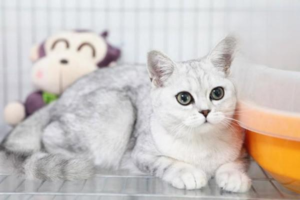
Sudden Stress Response in Cats
It is often said that a cat's stress response can cause very serious consequences. Today we talk about the cat's stress response. It is said that cats are like women, which is because cats are emotionally very sensitive creatures; various environmental changes, even some noise, may trigger a cat's stress response.

What to Do About Cat Stress (Stress Response)
Stress weakens a cat's immune system and can trigger bladder, gut, and breathing problems along with anxiety. A calm environment, a safe hideaway, and patience help; good early socialization prevents much of it.