Search Results
2140 results for “stool color”

Rabbit Loss of Appetite: Could It Be Intestinal Obstruction?
When a rabbit won't eat, intestinal obstruction is a serious possibility among many gut causes. This article explains obstruction triggers, how to tell it apart from simple stress, and the care steps (massage, water, vet tests) to take.
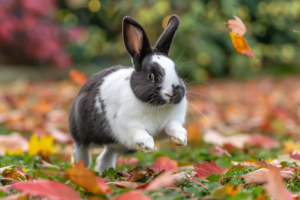
Protruding, Tearing Rabbit Eyes
Protruding, tearing eyes clearly signal a problem—often foreign-body irritation, but also ear mites or internal heat. This article explores the causes and treatments.

Common Food and Drug Poisoning in Cats and Dogs: Symptoms and Treatment
Poisoning in pets is uncommon but dangerous. It falls into food poisoning (bacterial, fungal, toxic plants, chemicals, and human foods like onions, chocolate, macadamia) and drug poisoning (aspirin, ibuprofen, acetaminophen, vitamin D, ivermectin). This article covers the symptoms and what to do.

What to Do When a Small Dog Has a Hypoglycemic Shock
Puppies and small dogs are especially prone to low blood sugar, particularly as the weather turns cool — shock, seizures, dropping temperature, and drooling can follow. Keep a small dog warm and know the first aid. Learn prevention and emergency care.

Dog Dry Cough With White Foamy Vomit: What It Means
During seasonal changes dogs cough easily, but a dry cough with white foamy vomit deserves attention. The cause may be simple or a viral infection. Learn the likely reasons and when to rush to the vet.
Hairball Paste or Cat Grass: What Is Better for a Cat’s Hairballs?
Hairball paste generally works better than cat grass, because cat grass triggers vomiting while paste gently moves hairballs through the gut with the stool. Feed paste 2-3 times a week for light groomers, or every 1-2 days for heavy groomers, and watch for soft stools from overuse.

What to Do When a Dog With Gastroenteritis Won’t Eat
Diarrhea and vomiting in dogs usually point to a gut problem tied to food irritation or infection. Gastroenteritis brings diarrhea, vomiting, and low appetite; severe cases need the vet. Don't force-feed — offer bland rice-and-kibble porridge once appetite returns, and seek care early.

Dog Gastroenteritis vs. Canine Parvovirus
Dog gastroenteritis and parvovirus share vomiting, diarrhea, and poor appetite, so they're easily confused — but parvovirus also brings bloody stool and is confirmed with a quick test kit. Gastroenteritis is often diet- or infection-related, while parvovirus spreads fast and needs isolation. Good hygiene and vaccination are key to prevention.
Is Diarrhea After a Cat Bath a Cold?
Soft stool or diarrhea after a bath is usually not a cold - it ties to stress or chilling lowering immunity, common in weak or timid cats. Here are the causes and fixes.

How Many Times a Day Should a Cat Poop?
Healthy cats defecate regularly; frequency tracks food intake. More food means more stools. Normal range depends on age and condition — here is the analysis.