Search Results
2140 results for “stool color”

Can Hamsters Get Hairballs?
Hamsters can develop hairballs (trichobezoars) when weak digestion or excess grooming lets ingested fur accumulate, showing as reduced appetite and shrinking stools. Mild cases need fiber and water; severe cases need a small-pet hairball paste — never cat/dog formulas.
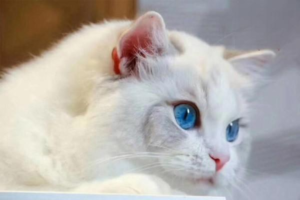
Can Cats Eat Oranges? Effects of Oranges on Cats
Oranges are toxic to cats: the peel's essential oils irritate the stomach and the flesh contains photosensitizing psoralen that causes light sensitivity, while the acidity upsets a cat's weak digestion. A small amount of flesh may only need monitoring, but vomiting or diarrhea within two hours requires urgent veterinary care.
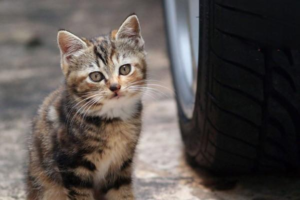
Can Cats Drink Camel Milk?
Cats can drink camel milk because it is lactose-free and unlikely to cause the diarrhea or bloating of lactose intolerance. It is lower in fat and rich in vitamin C and iron, but choose a pet-formulated product from a safe source; low-allergy goat-milk powder remains the safer everyday option.

How to Judge a Hamster’s Health
When choosing a hamster, check activity, eyes, ears, coat, gait, tail, and teeth to avoid buying a sickly pet that may not survive the first week. Lethargy, discharge, hair loss, limping, dirty tail, or bad bite signal illness or poor care.

Common Hamster Health Problems and Treatment
Common hamster ailments include skin disease (itching, hair loss, mites/fleas), constipation (rare stools, straining), and colds (droopy ears, wet nose, lethargy). Treat skin issues with deworming plus environment cleaning, constipation with fiber and water, and mild colds with glucose water or a probiotic.

Symptoms of Milk Ringworm in Kittens
Milk ringworm is a mild fungal infection that usually heals on its own as the kitten's immune system matures. It shows on the nose, forehead, ears, and belly. Learn the signs and why purebred kittens are more prone.

Why Kittens Get Milk Ringworm
Milk ringworm in kittens comes from low resistance plus stress and poor nutrition. Stress from weaning, travel, or a new home, and low-quality milk or treats, can trigger it. Learn the causes and what diet to avoid.
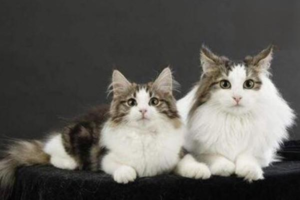
What to Do When a Cat Vomits After Eating Cat Litter
Vomiting after a cat eats litter is usually acute gastroenteritis from gut irritation. Soothe the gut, fix the litter-eating habit, and see a vet if vomiting continues—supportive home care includes short fasting and small, frequent bland meals.

Can You Wipe a Cat’s Bottom, and How Should You Do It?
A cat's bottom rarely needs wiping—cats groom themselves and their firm, low-fiber stools seldom stick. Only cats that cannot clean themselves (kittens, obese, long-haired, old, or sick with diarrhea) need help, using trimmed fur, a soft wipe, and a dry pat to avoid infection.

Eight Key Things to Know When Raising Rabbits
Rabbits are fragile and sensitive to change, so good husbandry means watching for warning signs—unusual sounds or smells, sudden temperature shifts, abrupt feed or environment changes—plus careful care for weanlings, new stock, and during outbreaks.