Search Results
2137 results for “stool color”

Tips for a Beautiful Coat for Cats and Dogs
Assuming our furry friends are healthy, coat beauty seems to be the topic owners care about most, especially long-haired cat and dog owners.

Signs of Lactose Intolerance in Dogs
Not every dog suits milk; some are lactose-intolerant, others allergic. Intolerance shows as watery diarrhea, vomiting, no appetite, bloating, and gas; allergy adds itchy red skin, hives, facial swelling, even breathing trouble. Stop milk and see a vet if severe.

What to Note When Boarding Your Cat
The holiday season is near and many owners want to travel but worry about leaving their cat; taking it along brings many inconveniences.

What Is Feline Distemper and What Are Its Symptoms?
Feline distemper is the name for acute, highly contagious diseases such as feline panleukopenia and feline infectious enteritis. A cat with distemper shows fever, panleukopenia, vomiting, diarrhea, bloody stool, lethargy, and loss of appetite.

What to Do When Your Cat Has Anal Gland Inflammation
Every owner knows pets need baths, and most dog owners know about expressing the anal glands, but did you know some cats also need their anal glands expressed?

Symptoms and Treatment of Feline Distemper
Feline distemper, also called feline panleukopenia or feline infectious enteritis, is an acute, highly contagious disease in cats. A cat with distemper shows: reduced white blood cells, reduced appetite, soft stool, vomiting, fever, dehydration, and other symptoms.

What to Do When Your Dog Has a Nosebleed
Today we look at whether dogs get nosebleeds. Note: dogs don't bleed from the nose as easily as people - so if yours does, take it seriously.
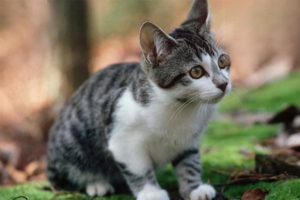
Feline Distemper: Causes, Symptoms, Incubation Period and Treatment
Feline distemper is no joke—it can take a cat's life and spread to more healthy cats, causing more to die from it. So how do cats get it, and how should feline distemper be treated?

Feline Distemper in Cats: Symptoms, Causes, Diagnosis and Treatment
Feline distemper, also known as feline panleukopenia, is one of the most common acute infectious diseases in cats clinically. It is a highly contagious, febrile disease caused by parvovirus infection. Kittens have extremely high infection and mortality rates, and affected cats typically show sudden onset, markedly reduced white blood cells, high fever, anorexia, depression, vomiting, hemorrhagic enteritis, and severe dehydration.

Yes, Dogs Can Eat Zucchini
Today we learn whether dogs can eat zucchini.