Search Results
2137 results for “stool color”

How to Raise a Border Collie
Feed by age (3–4× daily as a pup down to 1–2× adult), stop at 70% full, and soak kibble for young pups. Walk daily, wash bowls after meals, avoid raw meat and chicken bones, give clean water, and switch food over seven days to avoid diarrhea.

How to Tell Cat Distemper from Gastroenteritis
Cat distemper (panleukopenia) runs in stages — latent, then falling appetite, then vomiting and diarrhea with dehydration and fever, then a critical phase with watery stool and anemia. The key point: distemper is a viral gastroenteritis, far more dangerous than ordinary gut inflammation.
Signs Your Dog with Parvo Is Recovering
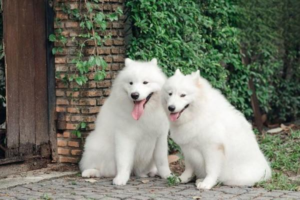
Canine parvovirus is deadly (up to 80% mortality) with enteric and cardiac forms. Recovery signs: brighter mood and appetite, falling fever, and no more vomiting/diarrhea. Prevent with vaccines from 4 weeks, deworming from 3–4 weeks, and strict disinfection of feces and bedding.

How to Give Heartgard (Heartworm Preventive)
Heartgard is a beef-flavored monthly heartworm preventive that also treats roundworms and hookworms; give it on an empty stomach about an hour before food, dosed by weight. Safe for pregnant, lactating, and dogs over 6 weeks; re-dose weekly if worms appear.
Feline Coronavirus: What Owners Should Know
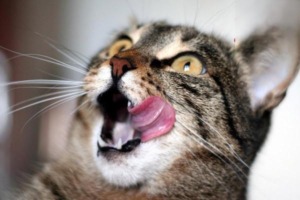
Most cats carry feline coronavirus and shed it in stool within two days; many show no signs, and gut cases often self-resolve. It can, rarely, mutate into FIP when the virus replicates strongly. Cut risk by avoiding multi-cat crowds, vaccinating, cleaning, and boosting immunity.
Dog Coronavirus: Symptoms and Prevention
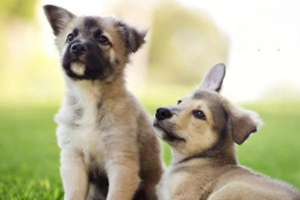
Canine coronavirus starts with lethargy, appetite loss, vomiting, and watery diarrhea, and hits puppies hardest — dehydration, sunken eyes, and, without treatment, death within 1–2 days. Prevention is hygiene: daily kennel cleaning, disinfected bowls and water, colostrum for newborns, and immediate isolation plus vet testing at the first sign.
Is the Teacup Dog Easy to Keep? How to Raise One
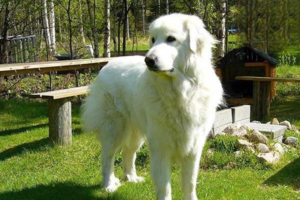
Teacup pups need regular, balanced, measured meals (70–80% full) and clean bowls. Watch stool and urine for health cues, keep the belly off cold floors, and skip leashed walks before 5 months so growing bones don’t deform.

What to Give a Puppy with Diarrhea
For diarrhea, first fix appetite (electrolytes if refusing food), then fast-and-observe with water; a bland cause often clears by next day. Rule out weather and gut disease with pet probiotics, and only fear parvo or distemper if fever, depression, and bloody stool appear — then rush to a vet.

How to Raise a Healthy, Fast-Growing Puppy
Raising a dog well means a cozy den, regular feeding and walks, early training, and prevention ahead of illness. For a new puppy: ease the first-night nerves with familiar bedding near you, feed 3–4 small meals (milk replacer or softened pup food), skip baths until vaccinated, teach toilet spots patiently, and keep it out of AC drafts and outdoors until its shots are done.

Why Your Dog’s Nose Is Dry — and What to Do
A dry nose isn't automatically illness — dogs lick to keep it moist, so it's normally dry right after waking, like our lips in the morning. But a dry nose plus low energy can signal trouble: mild cases are often 'internal heat' eased by water and a little glucose or minerals; paired with diarrhea, chocolate-colored stool, or fever and odd behavior, it may be distemper or a serious virus needing a vet and vaccines.