Search Results
2137 results for “stool color”

Cat Food Allergy and Intolerance Explained
Food allergy is an immune overreaction, while intolerance is the body failing to digest a component. Proteins are the top allergens; management means an elimination trial, often with a hypoallergenic prescription diet guided by a vet.

Key Warning Signs That Your Dog Is Sick
Fever, trembling, lost appetite, labored breathing, constipation, diarrhea, or vomiting can all signal illness. Most are harmless alone, but persistent or severe signs—especially with other symptoms—warrant a prompt vet visit.

What to Do When Your Dog Is Constipated in Summer
Summer constipation in dogs disrupts gut function and dulls the coat. The fix is mostly prevention—more water, exercise, and fiber—since causes range from table scraps to low fluid intake.

Which Smells Worse, Cat Poop or Dog Poop?
Both cat and dog poop can clear a room, but the author still crowns cat as the worse offender. Foul dog stool, though, can signal parasites or low exercise—worth a check.

Internal Parasites in Dogs and How to Treat Them
Deworming isn't only for dogs that show worms in their stool — by then the body is already full of eggs. Common internal parasites include roundworms, tapeworms, hookworms, pinworms, heartworms, and toxoplasma, each with distinct symptoms and routes of spread; a vet confirms and prescribes the right treatment.

What to Do If You Find a Stray Kitten
Finding a stray kitten does not always mean you should take it. If it looks healthy and the mother may still return, watch from a distance for 30 minutes to 3 hours first. Once you commit, the priorities are warmth, a vet check, and round-the-clock feeding with kitten formula — never bathe it or drop it at a crowded shelter. Kittens under three weeks cannot regulate their own temperature and need feeding every 2 to 3 hours.

What Your Dog’s Waste and Walk Reveal About Its Health
Beyond temperature, pulse, and weight, a walk is the best window into your dog's health — watch its gait, expression, and the color and shape of its urine and stool. Red or dark urine can mean bleeding, cloudy urine an infection, shiny urine crystals, and orange urine jaundice; soft, bloody, or black stool points to digestive trouble. Catch these early and bring a fresh sample to the vet.
How to Feed and Raise a Puppy
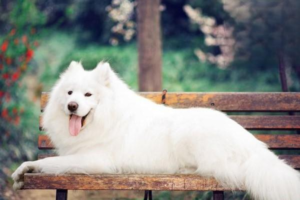
Feed a puppy small meals about four times a day on a fixed schedule to protect its delicate stomach, and never use human milk — use a proper puppy formula mixed into soaked kibble. Keep vaccines on schedule (the first distemper/parvo shot around three months), balance food with short 15–30 minute outings, and let a new arrival settle in before feeding.

Dog Has Diarrhea but Still Acts Fine — What’s Going On?
A dog with diarrhea but normal energy still needs the cause found — usually parasites, a reaction to new food, bacteria, a swallowed object, or a drug side effect. At home, rest the gut with a 12–24 hour fast (water only), then a bland boiled-meat-and-rice diet reintroduced slowly over four days, plus probiotics and fiber; see a vet if it persists or a chronic issue like kidney disease is suspected.

Can a Cat Have a C-Section?
A cesarean (hysterotomy) is an emergency surgery to deliver kittens when labor stalls — call the vet if strong straining lasts 20 minutes with no kitten, pregnancy passes 65 days, there is persistent red discharge, or fever. After surgery, give all meds, keep the mother quiet, protect the incision with an e-collar, and watch both mother and kittens closely.