Search Results
2142 results for “stool color”

What Causes Parvovirus in Dogs
Parvovirus is a severe, highly contagious gut disease in dogs that spreads by contact with infected feces, blood, food, or air, especially in parks and kennels. Puppies show vomiting and diarrhea that can turn bloody, so fast vet care and rehydration are key.

Dog Coronavirus: Treatment and Recovery
Dog coronavirus spreads through contact with infected feces and causes sudden vomiting, diarrhea, and lethargy, with cases able to relapse 14-21 days after signs fade. Supportive care, vet-prescribed meds, and gut-resting food let most dogs recover, but severe cases need a hospital.

Dog Viral Enteritis: Causes, Signs, and Care
Viral enteritis causes diarrhea and vomiting in dogs and can dehydrate puppies fast enough to be life-threatening. Withholding food while keeping water up, small frequent meals, and prompt vet care for severe cases are the main steps.

What to Do When Your Dog Has Ongoing Diarrhea and Won’t Eat
Persistent diarrhea in dogs usually traces back to cold exposure, parasites, a sudden food change, or illness such as enteritis, parvovirus, or distemper. Treat the cause, keep your dog hydrated, and get veterinary help if symptoms are severe.
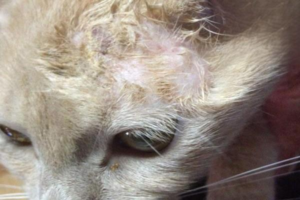
How to Make Ringworm (Cat Fungus) Heal Faster
Cat ringworm is a common fungal skin disease, usually from poor grooming and a dirty environment, causing intense itching and patchy hair loss. Treatment combines shaving and medicated baths with topical antifungals and oral medication for faster recovery. Prevention hinges on cleanliness, sunlight, good nutrition, and not over-bathing.

Treating Dog Diarrhea: Causes and Care
A dog's gut is extremely delicate, so diarrhea is very common — and the right treatment starts with the right cause. Parasites, poor feeding, frequent food switches, chills, or infectious disease each need a different response. Match the care to the trigger, and see a vet for nonstop or bloody diarrhea, since parvovirus may be involved.
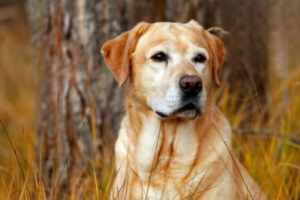
Why Your Dog Keeps Vomiting Yellow Foamy Fluid
A dog that repeatedly throws up yellow, foamy fluid usually has poor gut motility from dehydration, irregular feeding, or a bad environment, or it ate too fast, human food, or additive-heavy items that strain the liver and pancreas. Parasites and gastritis (acute or chronic) are other causes; watch energy and appetite, and use a probiotic plus bland food for gastritis.

What to Do When Your Dog Is Both Vomiting and Having Diarrhea
A dog's fragile gut makes vomiting-plus-diarrhea common, from gut irritation and colds to irregular feeding. Start with an 8–12 hour fast from food and water, then rule out parvovirus, distemper, or coronavirus if unvaccinated and severe. Keep food bland, warm the dog for colds, and train 'leave it' to avoid road food.

Why Is Your Dog Vomiting White Foam and Mucus?
White foam and mucus in vomit usually mean excess stomach acid from acute gastritis, indigestible food, or parasites. Start with an 8-hour fast from food and water; if vomiting and diarrhea continue, see a vet. Switch to a bland diet with probiotics, and check the stool for parasite eggs.

What to Do When a Dog Has Diarrhea After Giving Birth
A mother dog is weak and low-immunity after whelping, so diarrhea often follows stress, chills, or diet. Fast and observe, give glucose and light salt water, then bland high-protein food in small frequent meals; keep her warm and calm. Read the cause before treating.