Search Results
2142 results for “stool color”
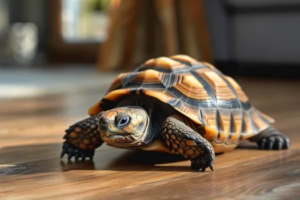
How to Tell If Your Turtle Is Sick
A sick turtle shows clear warning signs: sluggish reactions, sunken limbs, floating for long periods, swollen neck or legs, abnormal droppings, and shell rot. Watch your turtle daily so you can act early and avoid serious illness.
How to Tell If a Cat Food Suits Your Cat
No food is 'best' — only 'right for your cat.' Watch appetite (boredom-eaters and frenzied gobblers both signal issues), stool (mild softness in week one is normal; past two weeks, or with vomiting and a sour smell, it's wrong), weight (too thin or over 10% gain), coat (dry, extra shedding), and signs like eye discharge, tears, bad breath, or chin acne. Try sample sizes first and switch over 7 days.
How Does a Toothless Dog Eat?
A dog without teeth can still eat kibble — dogs don't chew much anyway, and strong stomach acid plus digestible kibble handle it. For weak guts, pick small, softened kibble, homemade mush, or wet food. Avoid hard chews, bones, and sticky foods, use a shallow non-slip bowl, and feed small meals often.

What Germs Do Stray Dogs Commonly Carry?
Stray dogs live in harsh conditions and meet many pathogens, often carrying viruses with no outward signs because they haven't fallen ill. Rabies, leptospirosis, distemper, and parvovirus are common and often fatal, and some are zoonotic, transmissible to people. Rabies spreads through saliva, leptospirosis through contaminated water or soil, distemper through air and contact, and parvovirus through urine, feces, and saliva, especially deadly to puppies. Stray feces can also hold parasites and bacteria like mange mites, demodex, fungi, and echinococcus (hydatid disease). If you rescue a stray, wear gloves and a smock, and get a full vet check, blood, stool, and skin, before bringing it home, while keeping your own pets vaccinated.

The Dangers of Feeding Bones to Dogs
Feeding bones to dogs can cause intestinal blockages, mouth injuries, nutritional imbalances, and constipation. If you do offer bones, choose large, hard varieties (never small or brittle ones like chicken or fish), boil them plain, and keep the amount and frequency low.

Can a Dog’s Intestinal Obstruction Heal on Its Own?
A dog's intestinal obstruction cannot heal on its own — it's a serious emergency where the gut is blocked by a foreign object, twist, tumor, or intussusception, and delay risks bowel death, sepsis, or shock. Signs include vomiting, a hard swollen belly, no stool or gas, and lethargy; get to a vet immediately, as many cases need emergency surgery.

How to Improve a Dog’s Weak Constitution
A dog with a weak constitution gets sick easily, but you can build resilience through daily exercise, on-time vaccines and deworming, gut support (probiotics), skin-nourishing fish oil and lecithin, and a high-quality natural diet. Improving constitution takes time, so stay consistent with the care.

How to Care for a Cat with a Sensitive Stomach
To reduce digestive problems, owners should brush the cat often, keep its environment comfortable, feed sensibly, encourage exercise, deworm and vaccinate on schedule, and monitor its stools. A cat's gut is fragile, so a balanced diet, clean bowls, slow food changes, and avoiding harmful human foods (chocolate, onion, garlic) all matter.

How to Tell If Your Cat Has Internal Bleeding
Signs include lethargy, poor appetite, and less activity; severe cases show vomiting or passing blood. Internal bleeding can be silent, so only a vet check (X-ray, ultrasound, stool test) confirms it. After any fall or blow, watch closely — even with no symptoms, a hard fall from height warrants a vet visit.
Why does my two-month-old kitten have diarrhea with blood?
Bloody diarrhea usually comes from parasites, viruses, or enteritis. Parasites and coccidia cause jelly-like or terminal bleeding; panleukopenia adds vomiting and fever; enteritis needs antidiarrheal and probiotics.