Search Results
2140 results for “stool color”
What to Do When Your Hamster Has Diarrhea
A hamster's gut is delicate, and diarrhea can turn fatal fast without prompt care. Causes include too much watery food, poor hygiene and stress, cold weather, or allergies. Treat by cutting juicy foods and adding probiotics, warming the cage, or removing the allergen; keep the environment dry and ventilated.

Will a Rabbit’s Diarrhea Get Better on Its Own?
A rabbit's gut is delicate, so diarrhea is a serious sign that will not resolve on its own. Causes include coccidiosis, chills/colds, improper diet, and rabbit hemorrhagic disease (RHD); treatment ranges from veterinary care for infection or RHD, to warming and diet fixes for mild cases. Never wait it out.

How to Prevent Turtle Enteritis
Enteritis is a common turtle disease whose early signs—lethargy, reduced appetite, loose stools—can turn fatal through organ failure if untreated, so prevention matters. Key measures are clean, disinfected enclosures (quicklime), good water quality, careful feeding on a fixed schedule with fresh food, and herbal prevention (Euphorbia humifusa) in warm months; treatment centers on early isolation and herbal or berberine/houttuynia injections.

What Are the Symptoms of Turtle Enteritis?
Turtle enteritis has early, middle, and late stages; early signs are mild and easy to treat, but delaying makes the disease and its treatment far harder. Early clues are abnormal, off-color stools while the turtle stays active; mid-stage brings sunken eyes, refusal to eat or drink, and floating; late-stage shows a head-down resting posture, slow response, and slack cloaca—usually beyond saving.

Causes and Pathological Analysis of Turtle Enteritis
Turtle enteritis is usually triggered by a sharp drop in enclosure temperature or spoiled food, and good husbandry and careful feeding prevent most cases. This article covers the causes, the staged symptoms (from mild loose stools to severe floating, refusal to eat, and limb weakness), and the pathology—where lost electrolytes weaken the gut's absorption and must be replenished—plus treatment centered on anti-inflammatory, anti-diarrheal, and mucosal care.

Symptoms, Prevention, and Treatment of Turtle Enteritis
Turtle enteritis is best prevented—clean enclosures, good water quality, and sensible feeding greatly lower the outbreak rate. Early signs are lethargy, poor appetite, and misshapen or discolored stools; advanced cases show sunken eyes and dry skin. Control relies on sanitation, water quality, proper feeding, isolation, and herbal or berberine injections.

Treatment Plan for Turtle Enteritis
Turtle enteritis comes in chronic and acute forms; chronic cases are mild and easier to manage, while acute enteritis can kill turtles en masse within a short time and is highly contagious through the air. Management means isolating and disinfecting sick turtles, and treating with gentamicin/chloramphenicol injections or oral oxytetracycline/berberine, with prevention favored over cure.

What Should I Do If My Cat Eats Rat Poison?
After eating rat poison, a cat may develop a fever, lethargy, loss of appetite, and vomiting, or show internal and external bleeding such as nosebleeds, bloody vomit, bloody stool, or black tarry feces. Because the toxin can severely damage the liver and other organs, seek veterinary care immediately—if none is nearby, induce vomiting at home with hydrogen peroxide, then follow up with IV fluids and bloodwork.

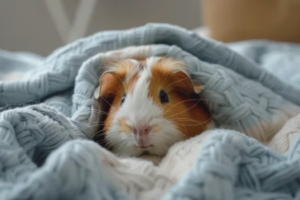
Common Guinea Pig Diseases and How to Prevent and Treat Them
Coccidiosis, colds, and diarrhea are among the most common health problems in guinea pigs, and owners should focus on preventing them. This guide outlines practical prevention and treatment measures for these frequent guinea pig illnesses, from medication and wound care to daily hygiene checks.

American Shorthair
Among cat breeds, the American Shorthair is hugely popular with cat lovers. Its honest, good-natured looks are enough to make us want to bring one home. Below we discuss the American Shorthair breed, along with its price and how to buy one.