Search Results
2140 results for “stool color”

Border Collie
The Border Collie is widely regarded as the most intelligent of all dog breeds, originally developed along the England-Scotland border for herding sheep. Energetic, sensitive and devoted, it needs plenty of exercise and mental work.
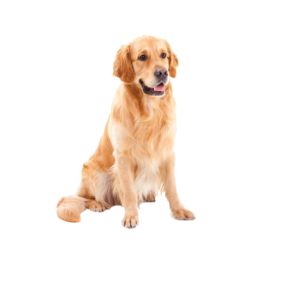
Golden Retriever
The Golden Retriever is a friendly, intelligent and devoted sporting dog originally bred in Scotland to retrieve waterfowl. Highly trainable and gentle, it is one of the most popular family companions and service dogs in the world.

Basenji
The Basenji has many skin folds that easily harbor bacteria and cause mange and other skin diseases, so daily cleanliness is especially important, with more baths in summer. Food should be given in proper amounts - too little harms growth, too much causes obesity and lethargy.
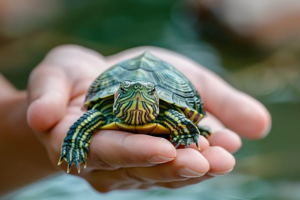
How to Tell Why Your Turtle Is Floating
A turtle can float for normal reasons — a new tank, water too deep, or just preference — not only illness. Abnormal patterns like side-floating, tail-only floating, or floating with lethargy point to pneumonia or enteritis.
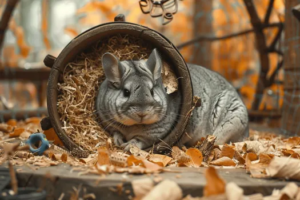
Emergency Measures for Guinea Pig Heatstroke
Guinea pig heatstroke needs fast action: move the animal to a cool, ventilated spot and cool it with ice (never pour cold water on it), then offer weak saline. Watch for heat-induced constipation and help it pass stool; keep easy-to-chew produce nearby, and improve cooling further if it still lies sprawled with its belly on the floor.
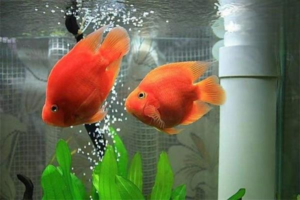
Why Is My Blood Parrot Cichlid Turning White?
A blood parrot cichlid turns white from cold water, poor water quality, or illness such as a cold, enteritis, or ich. Warm the tank to 25–28°C and keep water clean for environmental causes; use the right medication for disease.

Why Won’t My Blood Parrot Cichlid Eat?
A blood parrot cichlid may stop eating because it rejects a new food, is stressed by fright, has enteritis, or lives in dirty water. Rule out the simple causes first, then treat illness or improve water quality.

Common Guinea Pig Diseases
Vitamin C deficiency, fleas, ringworm, mites, and diarrhea are common. Here are their causes, symptoms, and control.
A bit of coughing, feels like some phlegm, runny nose, but good appetite, no diarrhea
Coughing and runny nose with normal appetite and stool may be chill or cold. Keep it warm and give honey water, or pet cold medicine; if no relief or other symptoms, see a vet to rule out infection.
How can I tell a sick dog from a healthy one?
Tell a sick dog by: poor spirit and low appetite; thin body and dull coat; red, hairless, itchy skin; and abnormal eye, nose, or ear discharge, odd stools, or a dirty anus.