Search Results
568 results for “staple”

Favorable Conditions for Arowana Coloration
Good arowana color rests on five pillars: a pure bloodline, stable and clean water, a dark yet well-lit tank with combined top and side lighting, varied and nutritious feeding, and a balance of slow and fast growth. Patience is essential, because coloration is a long, gradual process.

Why Is My Rabbit Passing Blood in Its Stool?
Blood in a rabbit's stool is alarming and should never be ignored. Causes include constipation from dry food and low water intake, parasite overload, enteritis (which can rupture local capillaries), and rectal tumors or polyps. Treatment matches the cause—diet and hydration for constipation, deworming for parasites, antibiotics for enteritis, and prompt surgery consult for growths.

What to Do When Your Rabbit’s Mouth Is Sore or Cracked
A rabbit with a sore or cracked mouth needs prompt checking and treatment, or the problem can worsen. Common causes are a vitamin-deficient diet, poor oral hygiene, and dehydration; treatment means switching to vitamin-rich greens and hay, cleaning the mouth, encouraging water, and providing chew toys to keep teeth worn.

How to Supplement Calcium for Parrots
Parrots need steady calcium for healthy bones and development. Provide it through mineral grit, calcium-rich powders mixed into seed diets or cuttlebone, and dedicated calcium-phosphate supplements, plus sensible sunlight to aid absorption.

Cymric
The Cymric, English name Cymric, is also called the Longhaired Manx or Longhaired Isle of Man cat. From its alias we know it is a longhaired cat; though long-haired, it's not hard to groom. Its most striking feature is having no tail, drawing immediate attention.
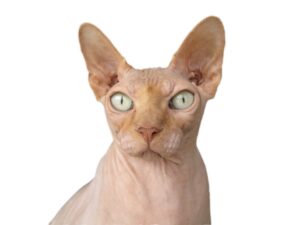
Sphynx
Sphynx (details)

Chinchilla
The Chinchilla, with the English name Chinchilla, originates from Britain and descends from the Angora and the Persian. Some call it the artificial cat, hinting it was deliberately bred by humans. Notably, the Chinchilla was the first fully human-bred cat, appearing in 1894.

Nebelung
The Nebelung is essentially a long-haired Russian Blue, a rare variant recognized by TICA in 1987 and hailed as the 'nobility of long-haired breeds.' Apart from its coat, it is identical to the Russian Blue. Quiet, shy, and gentle, yet intelligent and adaptable, it is well suited to calm households.

Burmilla
The Burmilla, also called the Pommila cat, has the Latin name Burmilla. This breed was born in Britain in 1981 and successfully exhibited two years later, immediately drawing wide attention. In fact, the Burmilla's birth came from a beautiful union, an 'out-of-wedlock' kitten between a lilac Burmese and a silver Chinchilla Longhair.

How to Care for a Chinchilla
Chinchillas are relatively easy to keep, but feeding differs by life stage. Here is how to feed kits and adults, plus key cautions on diet and housing.