Search Results
568 results for “staple”

Why Does My Dog Keep Licking Its Private Area?
Frequent licking can have many causes—handle by the cause. Heat, urinary tract infection, reproductive inflammation, poor nutrition, or anxiety can all cause it. Keep the environment clean, monitor health, give balanced diet, and add company. If you see red/swollen urethra, or abnormal urination like pus, blood, or retention, see a vet.

Why Dogs Lose Appetite and What to Do
Dogs may refuse food for many reasons - unpalatable meals, physical discomfort, indigestion, illness, internal parasites, or being in heat. Identify the specific cause and respond accordingly. If the problem is food- or stomach-related, adjusting the diet and aiding digestion usually helps; if it is illness, prompt veterinary care is needed.

Why Dogs Refuse to Eat
There are many reasons a dog refuses food - improper feeding, a monotonous diet, indigestion, lack of exercise, low mood, being in heat, or illness. Address the specific cause with a targeted solution. To prevent anorexia, feed sensibly, choose high-quality kibble as the staple, and vary the diet so the dog doesn't lose interest in food. Also feed on a fixed schedule and portion to build good eating habits.
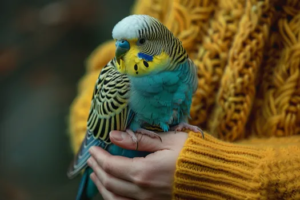
What to Know When Raising a Myna as a Beginner
New myna owners should pick a lively, healthy bird with glossy feathers, give a right-sized cage with toys and space, feed a balanced diet of special myna feed plus fruit, vegetables, and nuts, and let it adapt quietly. Socialize daily, keep the cage clean, train gently, and watch for signs of illness.

How Should You Feed Goldfish?
Goldfish are omnivores eating animal, plant, and prepared foods. Young fish need frequent small meals (2-3 times daily, what they finish in 5 minutes) rich in animal protein; adults do well on prepared pellets as a staple for balanced nutrition and less water fouling.

Which Fruits Can Hamsters Eat? Can Hamsters Eat Oranges?
Hamsters are omnivores that can eat many foods, but too much fruit causes diarrhea, and some fruits are too acidic or sugary to be safe. This article lists the fruits hamsters can enjoy and the ones to avoid, including why oranges are off the menu.

Things to Know When Caring for a Chinchilla
Chinchillas have dense fur and hate heat; around 20°C (68°F) is their comfort zone, so owners must manage both warming and cooling. This article covers the key husbandry points—environment, cage, and diet—for keeping a chinchilla healthy.
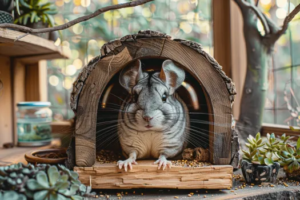
What Is a Chinchilla’s Personality Like? Key Things to Know Before You Get One
Chinchillas—also called velvet rats—have dense, soft fur and a gentle, non-aggressive temperament, which makes them a favorite pet. This article covers their fur, personality, lifespan, and diet so new owners know what to expect.

What to Do When an Arowana Is Picky or Won’t Eat
Low appetite in arowana puzzles many owners. It's affected by water quality, environment, and the fish itself. This article shares ways to keep an arowana eating well.
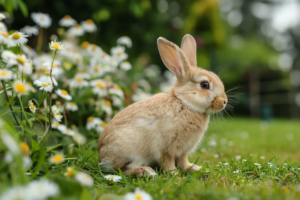
How to Care for a Dwarf Rabbit: Key Tips and Precautions
Dwarf rabbits are small, lively, and gentle, making them a favorite pet rabbit breed, but new owners often make mistakes that put the rabbit at risk. This guide covers the essential setup—cage, water bottle, litter box, diet—and the daily care rules that keep a dwarf rabbit healthy and long-lived.