Search Results
28 results for “spot-on treatment”

How to Get Rid of Fleas on Your Cat Fast
The fastest fix for cat fleas is a topical spot-on treatment, but combing, medicated baths, and a clean home all help. Treat the environment too, or fleas simply return within days.
Do Cats Need Deworming in Winter?
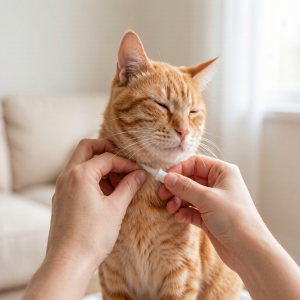
Parasites stay active even in winter, so year-round deworming matters. Fleas, ticks, heartworm, and intestinal worms can all affect cats during the cold months, and several safe topical and systemic products are available.

Helping Your Dog Through Autumn
As temperatures drop, autumn brings a heat cycle, extra energy, more parasite exposure, and drier skin. Manage mating or neuter, raise exercise, deworm after outdoor play, and bathe less with a dog shampoo.

Simple Tips to Prevent Ringworm in Cats
Ringworm in cats comes from four sources — fungal, bacterial, allergic, or parasitic — and prevention starts with each. Weekly cleaning, avoiding allergens, and regular flea control keep your cat's skin healthy.
Parasite Prevention for Cats: What Every Owner Should Know
Parasites threaten cats at every life stage and are easy to overlook. Fleas, lice, ticks, and mites cause itching, dermatitis, and anemia, while internal worms and mosquito-borne heartworm can be life-threatening—even for indoor cats. This guide explains the hidden risks, why a combined internal-and-external spot-on simplifies prevention, and how to apply one safely and with less stress. The proven ingredient pair imidacloprid plus moxidectin covers a broad range of parasites in a single monthly dose. Always confirm the right product with your veterinarian.
Treating Cat Ear Mites: Cleansers, Medicine, and the Full Protocol
When a cat scratches its ears and shakes its head with dark waxy discharge, ear mites are the likely cause. A cleanser alone only removes debris—it does not kill the mites. Real recovery needs cleaning plus a miticide and a deworming spot-on, done in three rounds. Here is the full, safe protocol and what to look for in an ear cleanser.
Cat Dewormers Compared: How to Choose the Right One
More than half of household cats are estimated to carry at least one parasite at some point, with fleas, roundworms, and heartworm among the most common. Regular, science-based deworming can sharply lower that risk and protect both cat and owner. This guide compares the main types of cat dewormers by their active ingredients and explains how to match a product to your cat's age, lifestyle, and parasite exposure, so you can build a safe, sustainable routine without relying on brand hype.
Budget Cat Deworming: What to Look For
Even indoor cats can pick up parasite eggs on shoes, clothes, or parcels, and skipping treatment risks itching, anemia, and poor growth. The aim is not the priciest product but a safe, licensed one used correctly. This guide explains why cats need deworming, what a good spot-on covers (the broad-spectrum imidacloprid-plus-moxidectin pair and heartworm prevention), and how to choose on safety, credentials, and monthly cost rather than sticker price. In mosquito-heavy regions, a heartworm-preventing product used monthly is especially important.
Comparing Popular Dog Dewormer Types
Dog dewormers differ by ingredient and spectrum, so the smart comparison is across ingredient, coverage, ease of use, and price—not brand fame. This guide reviews five common formulations—combined imidacloprid-plus-moxidectin and selamectin spot-ons, oral ivermectin-plus-pyrantel and febantel combinations, and fipronil-plus-methoprene drops—explains how to match each to a need, and flags the key safety note: Collie breeds must avoid ivermectin. Consistent monthly prevention and a clean home protect your dog far better than any single 'best' product.
How to Choose a Reliable, Budget-Friendly Dog Dewormer
Owners often swing between over-priced imports and risky unlicensed bargains—both can harm the dog. Deworming is non-negotiable: internal worms steal nutrition and damage the gut, while heartworm stays silent until it is serious, and external pests spread disease to people too. This guide explains why deworming matters, the active ingredients by parasite type (including the Collie warning on ivermectin), and how to choose and use a product safely—spectrum, convenience, credentials, correct dosing, and the myths that lead owners astray.
- « Previous
- 1
- 2
- 3
- Next »