Search Results
20 results for “splayed legs”
Cat was listless, then walked oddly with hind legs splayed inward, swinging a leg; after sleeping, limbs went limp and it could not move or walk, then had a sudden seizure
Stiff limbs and seizures in a cat can stem from nerve twitching, low blood sugar, poisoning, head injury, epilepsy, meningitis, low calcium, or panleukopenia. Seek a vet promptly for diagnosis, and do not give any medicine before the cause is known.
My dog’s front legs are crooked, splayed outward
If the front legs have no pain, no injury, no fracture, it is likely calcium deficiency, showing as bad leg shape (in-toed or out-toed), abnormal gait—from unbalanced nutrition in growth or congenital or overuse (stairs, jumping, joint wear). Try calcium and glucosamine for bones and joints.
My puppy started having episodes on the 18th. At first it had seizures and couldn’t stand steady; later it couldn’t get up at all, just lay there with its hind legs splayed and let out straining ‘uh-uh’ cries. It even vomits up the food I syringe-feed it, and seems to have lost bowel and bladder control.
Based on your description, your puppy's seizures, unsteady stance, and loss of bowel and bladder control could be caused by meningoencephalitis, epilepsy, intracranial parasites, or poisoning. Trembling, seizures, and difficulty standing are neurological symptoms that are quite serious, so you should take the puppy to a veterinary hospital promptly for diagnosis and treatment to avoid delaying care and putting its life at risk. Because these signs can stem from several different causes, a vet visit is needed to confirm the underlying problem.
How long to correct a Teddy’s splayed hind legs?
Causes include overlong foot hair, calcium deficiency, or hip dysplasia, so timing varies. If from long foot hair causing slipping, trimming corrects it immediately. If from calcium deficiency, supplement calcium and the splay slowly corrects as needs are met.

Why a Kitten’s Hind Legs Splay Outward
A kitten with splayed hind legs may have been born with a skeletal deformity or suffered nerve or bone damage during birth, which imaging can confirm and surgery may correct. A sudden onset more often points to a metabolic cause such as calcium deficiency from a bad diet or a thyroid disorder, which responds to calcium, vitamin D, and sunlight.

Why Dogs Develop Splayed (Flat) Feet
Dog splayed feet (paws flat on the ground) come from long cage stays, slippery floors, too-fast growth and obesity, calcium lack, or a natural 'rabbit paw'. Most are avoidable; feed a balanced diet with calcium and give sun for absorption.
What signs does a dog show before going to the toilet?
Before needing to relieve itself, a dog is usually restless and walks with splayed legs, a sign of holding stool, and circles in one spot. If not taken out in time, it may go on the spot. So meet the need promptly; some dogs are used to outdoors, and long holding harms health, so take them out on a schedule.

Patellar Luxation in Small Breed Dogs
Patellar luxation is one of the most common orthopedic issues in dogs, most common in small breeds — especially tiny dogs like Teddy, Pomeranian, and Yorkie, which very easily have congenital or acquired patellar problems. In recent years, medium and large breeds also show a rising trend. Do not underestimate it; severe cases can cause paralysis and disability.
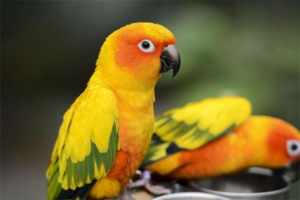
Why Can’t My Parrot Stand, and How to Treat It?
A parrot that can't stand usually has splayed or deformed legs from low vitamin D3 and calcium — congenital (a deficient mother) or from an uneven nest box. Fix the nutrition and, for fractures, splint with foam.

Symptoms and Treatment of Orchitis in Dogs
Orchitis is inflammation of the testicle that often spreads to the epididymis. Affected dogs show swollen, hot, painful testicles, a hunched back, reluctance to mate, and whole-body signs like fever and appetite loss. Treatment aims to control infection and prevent chronic shrinkage: cold packs in the first 24 hours, then warmth and support, plus a course of injectable penicillin.