Search Results
32 results for “spinal nerve injury”
Cat was probably grabbed hard, won’t be touched, likely internal injury
Suspected cat internal injury needs a vet; grabbing can fracture the spine or harm nerves. Check soon and give comfort.
What are the signs of a kitten’s spinal injury?
A kitten's spinal injury shows movement and coordination disorder and nerve signs: inability to stand or uncoordinated movement, incontinence, loss of feeling in the lower body, pain, and panting. Take it to a vet for X-ray, blood, biochemistry, and CT, then treat by result.
What does a cat spinal injury look like?
A spinal injury causes nerve damage with stiff limbs, inability to stand, poor coordination, and incontinence. Severe cases lead to hind-leg paralysis. See a vet for imaging; conservative care is an option.

Why Is My Dog Suddenly Limping with No Visible Injury?
Sudden limping without obvious wounds can come from a hairline fracture, ligament or muscle strain, arthritis, a slipped disc or pinched nerve, patellar dislocation (common in small breeds), or a calcium/vitamin deficiency. Keep the dog calm and rested, then see a vet for X-rays or imaging to find the exact cause.

Spinal Cord Contusion and Concussion in Dogs and Cats
Spinal cord contusion and concussion are traumatic injuries in which a blow, fall, or underlying bone disease damages the cord without necessarily fracturing the spine. They disrupt nerve signals to the limbs and bladder, and severe cases can cause sudden paralysis or even respiratory arrest.
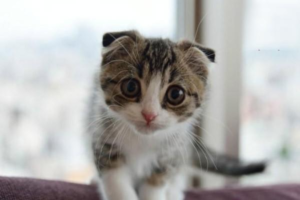
Why Is Your Cat Suddenly Limping?
Sudden lameness in cats can stem from injury, arthritis, hip dysplasia, or even aortic thromboembolism. Catch it early, get a proper diagnosis, and manage weight, joints, and environment for better recovery.
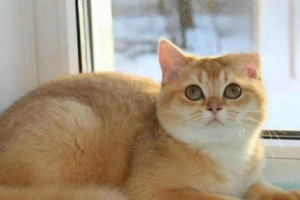
Does a Cat Know Its Tail Belongs to It?
Kittens chase their tails out of pure instinct and hunting play, but as they mature they come to understand the tail is part of their own body. The tail is unusually sensitive — built from 18–23 vertebrae, voluntary muscle, and a dense web of nerves — which is why it can twitch on its own and why cats sometimes seem to 'fight' it. Occasional chasing is normal, but sudden, frantic biting at the tail with signs of distress warrants a vet check.

Symptoms of Dog Lumbar Intervertebral Disc Herniation
Thoracolumbar disc disease (mid-back) is the result of aging and degeneration of the thoracolumbar discs. It causes the disc to bulge or press into the spinal canal, causing spinal cord injury and compression.

What to Do When Your Cat Is Constipated
Cat constipation is common but should not be ignored, as it can progress to megacolon. Learn the warning signs, the many possible causes, and the treatment and prevention steps from diet and weight control to stress reduction.

What Causes Constipation in Cats
Difficulty defecating is common in cats; the clearest symptom is constipation and irregular bowel movements. Different causes need different treatments, so finding the cause is key. Here we share some causes.