Search Results
6 results for “space heater dog”

How to Keep Your Dog Warm in Winter
Warm your dog safely in winter: avoid long hours in heated, sealed rooms, skip electric blankets, keep distance from radiant heaters, and never serve food that is too hot or too cold.
Winter Dog Care: The ‘Five Do’s and Five Don’ts’ to Save
In winter, keep dogs warm by breed/age (short-haired, small, puppy, and senior dogs need coats outdoors; long-haired breeds don't), add nutritious cooked meats, watch electric-heater safety, groom coats, and protect paws from salt. The five don'ts: no all-day clothing (weakens the coat's insulation), no staying indoors (winter blues), no skipping deworming (every 2–3 months), no drinking snow melt (gut irritation), and no frequent baths (monthly is enough).

Carbon Monoxide Poisoning in Dogs and Cats
Carbon monoxide poisoning occurs when pets breathe gas from faulty heaters, car exhaust, or confined smoke. It binds to blood and starves tissues of oxygen, causing vomiting, weakness, bright-red gums, seizures, and coma. Move the pet to fresh air and get veterinary help at once.
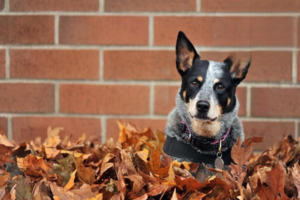
Winter Care Mistakes to Avoid for Dogs
When a cold snap hits, dogs sleep away the winter in warm beds — but keeping them cozy has traps. Five common warming mistakes can actually do harm, while a few simple habits keep a dog safe and comfortable.

How to Keep Pets Warm (Without the Common Mistakes)
Dogs stay comfortable roughly between 0–25°C and self-regulate, so over-bundling can backfire. Skip space-heater overuse, only clothe frail, young, old, or post-birth pets, and keep short, sensible outings instead of locking them indoors.

White-throated monitor
The white-throated monitor (Varanus albigularis) is a fairly typical monitor lizard and possesses most of the traits of the group.