Search Results
141 results for “soft stool”
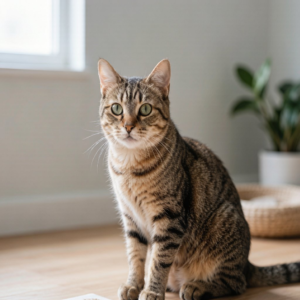
What to Do If Your Cat Has Tapeworms
Tapeworms cause belly discomfort, diarrhea, vomiting, weight loss, dull coat, and shedding; heavy infections shed visible segments near the anus, making the cat scoot or lick. Cats catch them by eating infected fleas, mice, or birds, through mother's milk, or from a contaminated environment. Treatment is a dewormer with praziquantel, fenbendazole, or albendazole plus probiotics, and strict flea control plus regular deworming prevents reinfection.
Budget Cat Deworming: What to Look For
Even indoor cats can pick up parasite eggs on shoes, clothes, or parcels, and skipping treatment risks itching, anemia, and poor growth. The aim is not the priciest product but a safe, licensed one used correctly. This guide explains why cats need deworming, what a good spot-on covers (the broad-spectrum imidacloprid-plus-moxidectin pair and heartworm prevention), and how to choose on safety, credentials, and monthly cost rather than sticker price. In mosquito-heavy regions, a heartworm-preventing product used monthly is especially important.

Exotic Shorthair
The Exotic Shorthair — everyone's "Garfield cat" — pairs the Persian's plush look with a short, easy-care coat. Sweet, calm, and affectionate, it's one of the most laid-back cat breeds to live with.

Bichon Frise: Health and Care Considerations Before You Adopt
The Bichon Frise is a gentle, low-shedding companion dog, but prospective owners should know its common care needs: pronounced tear staining from shallow tear ducts, a coat that mats and pulls the skin, separation anxiety, a sensitive stomach, and dental issues. Meeting these needs keeps the dog healthy.

Anal Sacculitis in Dogs and Cats
Anal sacculitis is inflammation of the small anal glands when their secretions build up and irritate the lining, most often in small-breed dogs and cats. Signs include scooting, licking at the rear, and a foul odor; treatment is expression and antibiotics, with surgery for rupture or fistulas.

Acute Enteritis in Dogs and Cats
Acute enteritis is a sudden inflammation of the intestinal wall that causes digestive upset, abdominal pain, diarrhea, and fever in dogs and cats of any age or breed. Young animals tend to be affected more severely; treatment focuses on rehydration, controlling vomiting, and treating the underlying cause.

Canine and Feline Whipworm Infection (Trichuriasis): Symptoms, Treatment, and Prevention
Whipworm infection is caused by Trichuris (whipworm) nematodes residing in the cecum of dogs and foxes. Heavy infections in puppies cause bloody diarrhea, weight loss, and anemia, and are treated with anthelmintics.
How Good Is Royal Canin Senior Cat Food?
Royal Canin senior formula leans on meat meals and wheat protein for crude protein, with lots of grain. Some cats with grain sensitivity should be cautious, but owners report good palatability and steady digestion.
What happens if a dog eats too much salty food?
Too much salt makes a dog's coat rough, increases shedding and tears, and burdens the kidneys. Here is why.
What happens if a cat is infected with feline coronavirus?
Most cats carry gut coronavirus without symptoms; FIP is the dangerous form. Here is the distinction.