Search Results
141 results for “soft stool”

Perineal Hernia in Dogs and Cats: Symptoms, Treatment, and Prevention
A perineal hernia is a protrusion of abdominal or pelvic organs (usually the rectum) through a weakness beside the rectum into the perineal tissue. It is most common in older, unneutered male dogs and is treated primarily with surgery.

Constipation in Dogs and Cats
Constipation is the difficult or absent passage of stool as fecal material hardens and accumulates in the bowel, eventually distending the intestine. It most often affects older dogs and cats and causes straining, discomfort, and loss of appetite; management ranges from enemas and stool softeners to surgery in severe cases.

Gastric Hemorrhage (Stomach Bleeding) in Dogs and Cats: Symptoms, Treatment, and Prevention
Gastric hemorrhage is bleeding from the stomach lining in dogs and cats, causing vomiting of blood, black tarry stool, and anemia. It is an emergency treated with volume replacement, bleeding control, and veterinary-directed care.

Gastric Foreign Body in Dogs and Cats: Symptoms, Treatment, and Prevention
A gastric foreign body is an indigestible object lodged in the stomach of a dog or cat, causing vomiting, pain, and weight loss. It is removed by a veterinarian, sometimes surgically, with antibiotics to prevent infection.
What does cat diarrhea look like?
Normal stool is firm and cylindrical; diarrhea is soft, loose, or watery with a stronger odor. Causes include parasites and bacterial/viral enteritis. Bloody or tarry stool suggests panleukopenia—see a vet at once.

Why Cats Refuse to Drink from Their Water Bowl
Cats naturally drink little because their desert ancestors avoided shared water sources, but chronic low intake raises the risk of urinary and kidney disease. Encouraging hydration through fountains, wet food, and flavored water makes a real difference.

How Smelly Is Cat Poop, and Why?
Cats are famously clean, yet pet cats' poop can be very smelly. Where does the smell come from, and what does it mean for health?

Cat Constipation: Symptoms and Solutions
Cat constipation troubles many owners; long-term constipation can disrupt internal functions and cause a range of health problems. Let us explain the symptoms and solutions in detail.

Common Gastrointestinal Diseases in Cats
Many diseases can affect the gastrointestinal (GI) tract. Symptoms such as vomiting or diarrhea are common in GI disorders. Regurgitation (the effortless expulsion of stomach fluid, mucus, and undigested food from the esophagus) is frequent in esophageal disease.
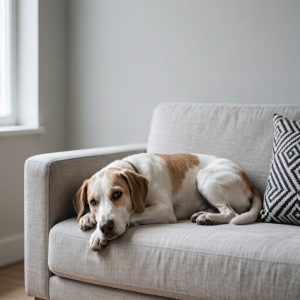
Symptoms of Inflammatory Bowel Disease in Dogs
Canine IBD is a group of gastrointestinal diseases involving infiltration of inflammatory cells into the dog's gastrointestinal tract. IBD can affect the upper and lower digestive tracts and is the most common cause of chronic vomiting and diarrhea in dogs. The cause of IBD is not yet clear. This article covers its symptoms, diagnosis, and treatment.