Search Results
1533 results for “soft food”
Cat Vomits Food, Yellow Fluid, Soft and Bloody Stool, Now Lethargic
Vomiting, diarrhea and poor appetite suggest acute gastroenteritis or gut scraped by a foreign object; if unvaccinated, rule out distemper. With severe, persistent vomiting, see a vet promptly.
After a food change my rabbit won’t eat and has soft stool, then after alfalfa still soft; now eye discharge, pointed stool, wheezing, sneezing
From your description, the rabbit's soft stool and eye discharge after a food change suggest it has not adapted to the new food; give probiotics and change diet gradually. Since it also sneezes, watch for food allergy or dusty, smelly food, and provide suitable food.
My one-year-old blue-and-white cat has a pale nose since yesterday, eats only wet food and treats, has soft formed stool, and is low-energy—what is wrong?
Based on the signs—anemia, poor appetite, pickiness, lethargy, soft stool—the pale nose suggests anemia, but many diseases cause it; it may be a chronic condition like chronic enteritis, hepatic lipidosis, FIP, or parasites. Get a thorough vet check.
My puppy was run over on the belly by an e-bike; intestines came out of the anus, then retracted and it could stand and walk, the belly keeps making noises, it vomited a little food, now runs fast but is low in energy, and the left hind leg is swollen and soft when pressed — will it survive?
Rectal prolapse, swollen leg, vomiting, and lethargy after a car accident are an emergency; without professional care survival is hard and even if it lives it may have permanent aftereffects. Take it to the vet at once for a full check of internal bleeding, organ damage, and fractures, with possible urgent surgery.
How long does soft stool last after a cat changes food?
Food change causes stress and soft stools; fast half a day to a day and give probiotics, usually recovering in 2-3 days. Transition gradually, adding a little new food daily, finishing in 7 days.
How to soften dry dog food?
Soak kibble in about 60 degree C water for 20 minutes until it cools to 30 degree C. Warm goat milk also works; avoid long-term soft food to prevent dental issues.
Choosing Food for a Cat With Chronic Soft Stools or Diarrhea
Low-fat diets are often prescribed for cats with chronic digestive trouble, borrowed from human thinking, but is that right for an obligate carnivore? A controlled study of sixty cats with chronic diarrhea found no real difference between low-fat and high-fat diets, and that cats handle animal fat efficiently. The takeaway: choose food built on quality animal protein and fat rather than worrying about fat level.
Soft Stools After Switching Cat Food? Here’s Why
Cats are built for high protein, so a new high-protein food alone shouldn't cause trouble—but sudden switches often do. Long-fed low-protein diets leave the gut making few protein enzymes, so a jump to rich food causes indigestion, vomiting, and loose stools; use the 7-day transition. If soft stools persist, it may be an allergy to a specific animal protein or a filler like pea; try a different protein or a single-source food. Also note many foods use beet as a mild anti-diarrhea agent, so dropping it can loosen stools—and weak-stomached cats do better on set mealtimes.
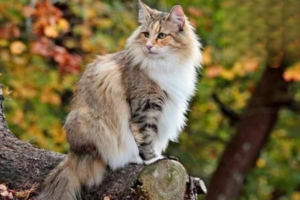
How Much Cat Food Should a Cat Eat Per Meal?
As an owner, you're never quite satisfied with your cat's appetite. Two meals a day seems too little—is it enough? Here's how much a cat should actually eat.

When Can You Switch Your Dog’s Food?
They say a dog sticks to one food for life—but that's a lie! Don't worry, I get it; you just grew up and need a change!