Search Results
1640 results for “soft food”

What to Do When a Kitten Has Heavy Eye Discharge and Can’t Open Its Eyes
Heavy eye discharge and eyes that won't open in a kitten usually point to neonatal conjunctivitis or feline rhinotracheitis (cat flu), though rich, greasy food can also be the cause. Each needs a different approach: gentle cleaning and antibiotic drops for infection, and prompt vet care plus antiviral support for cat flu. Act early to avoid worse disease.
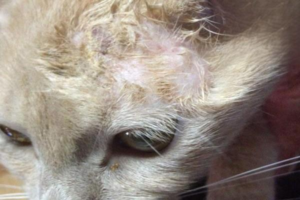
How to Make Ringworm (Cat Fungus) Heal Faster
Cat ringworm is a common fungal skin disease, usually from poor grooming and a dirty environment, causing intense itching and patchy hair loss. Treatment combines shaving and medicated baths with topical antifungals and oral medication for faster recovery. Prevention hinges on cleanliness, sunlight, good nutrition, and not over-bathing.

What to Do When Your Dog Is Constipated
Constipation in dogs usually improves with diet and routine changes — rotate the kibble, mix in plain yogurt, keep water and vegetables available, offer probiotics and a little honey water, and ensure daily exercise. High-fiber food and portion control prevent most cases; if home care fails, a veterinary visit is needed.

What Bloody Diarrhea in a Puppy Means
Blood in a puppy's stool is a clear warning sign that something is wrong, from a serious viral infection like parvovirus to parasites, a gut injury, or a simple chill. Watching the stool and the puppy's energy level tells you whether home care is enough or a clinic visit is urgent.
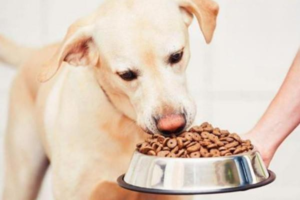
What to Do When a Dog Vomits and Won’t Eat
A dog that vomits and refuses food can have anything from a swallowed bone to a viral infection. Read the vomit — undigested food points to indigestion, yellow bile hints at a virus, and any other color may mean bleeding — and see a vet for the serious patterns.

What to Do When a Kitten’s Eyes Are Crusted Shut
Heavy eye discharge that mats a kitten's eyes usually means irritation from diet or a bacterial infection such as conjunctivitis. Lighten the food, keep the eyes clean, and use vet eye drops if redness appears — and see a vet if it will not clear.

What to Do About Ringworm on a Kitten’s Ears
Ringworm on a kitten's ears shows up as scaly patches and local hair loss, and the itch drives the kitten to scratch and hurt itself. Isolate the cat, clean the spots, and support its immunity — and use an Elizabethan collar so scratching does not make things worse.

What to Do When a 2-Month-Old Kitten Has Diarrhea and Won’t Eat
A two-month-old kitten is mid-weaning and easily gets diarrhea from diet slips or the stress of a new home. Hold food briefly while keeping water available, use a vet-approved anti-diarrheal, stay on schedule with deworming, and add a probiotic to settle the gut.

How to Bathe and Deworm Your Cat
Regular deworming protects both your cat and your home. Plan on an internal dewormer every three months and an external one every month, and always bathe your cat before applying a topical product so the treatment can work.

Cat Vomiting Yellow Fluid Several Times a Day: What to Do
Vomiting yellow fluid multiple times a day is not normal and can stem from parasites, infection, empty-stomach acid, gut disease or something eaten. Hair in the vomit points to a hairball. Frequent vomiting dehydrates fast, so identify the cause and get veterinary help if it persists.
- « Previous
- 1
- …
- 162
- 163
- 164