Search Results
12 results for “smoke danger”

The Causes and Dangers of Cat Pharyngitis
Many people have suffered from pharyngitis themselves and know it is uncomfortable, slow to heal, and prone to recurrence. What you may not realize is that cats can develop pharyngitis too and endure the same distress. Here is what cat owners should know about the condition.
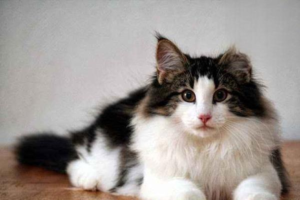
Why Is My Cat Coughing (Wheezing)
The reasons a cat coughs or wheezes include the following conditions.

Symptoms of Dog Asthma
Many owners are surprised dogs get asthma at all. It is an allergic disease whose main signs are wheezing, coughing, breathing difficulty, and a racing heart. Here is a deeper look at dog asthma.

Chartreux
The Chartreux, also called the Chartreux Blue Cat, has the English name Chartreux. Native to France, its history dates to the 14th century. Together with the British Shorthair Blue and the Russian Blue, it is one of the world's three great blue cats. The Chartreux has a long history, recorded in publications as early as 1558.

Oriental Shorthair
The Oriental Shorthair is a distinct breed, unexpectedly produced by breeders while developing another cat. They wanted a pure-white Siamese, so crossed Siamese with pure-white cats, producing today's Oriental. Though born in 1962, it was recognized as a new breed in 1972. Its appearance is close to the Siamese but differs greatly in coat color.

Egyptian Mau
The Egyptian Mau (Felinae) is found worldwide. Although called the Egyptian Mau, it cannot be confirmed that it originated in Egypt; however, because its image and written records appear in ancient Egyptian murals, steles, and papyrus scrolls, people believe its ancestor is the African wildcat. In the 1950s, the Egyptian Mau was introduced to the United States and Britain, and in 1968 it won awards in formal competitions.

Slow Loris
The Slow Loris (Loris tardigradus) is a small prosimian of the family Lorisidae and genus Loris. It is nocturnal, moves slowly, and prefers to rest atop tree branches. In recent years, due to habitat destruction, hunting for use in traditional medicine, overhunting, and its own biological traits, it is on the brink of extinction.

Why Do Cats Hate the Smell of Oranges?
Cats hate orange scent because their ultra-sensitive noses find the strong citrus compounds (like limonene) overwhelming, and evolution wired them to avoid intense smells linked to danger or toxic plants. The scent can also mildly irritate their airways and digestion. They similarly dislike chili, smoke, disinfectants, perfume, and other citrus.

Can You Use Mosquito Coils Around Cats?
No—households with cats should not burn mosquito coils. The pyrethroid additives in coils are toxic to cats, which cannot metabolize them; too much exposure causes poisoning with tremors, vomiting, drooling, and unsteady walking, and in severe cases can be fatal. To protect your cat, avoid coils entirely and keep the air cat-free of the scent. Instead, fit window screens and nets, grow cat-safe plants like lemongrass or mint, and use a mosquito trap lamp or electric swatter—physical, odorless methods that don't endanger your pet. Choose the approach that fits your home, and keep a playful cat away from any device.

What Makes a Person a Dog Magnet?
Some people seem to attract dogs without trying. They tend to be clean and unscented, calm and emotionally steady, and gentle with small, slow movements. Dogs read human micro-expressions, tone, and even heart rate, so an excitable, loud approach reads as threatening while a relaxed one builds trust. Add respect for the dog's boundaries and genuine affection, and dogs are drawn in.