Search Results
99 results for “small pet behavior”

Signs Your Hamster’s Cage Is Too Small
A cramped cage leaves a hamster stressed and restless, and the signs range from chewing the bars and attempting escapes to unusual sleepiness and reduced activity. Because hamsters are naturally active, sudden quiet behavior is a red flag, not contentment. Give your pet a spacious enclosure with distinct areas for food, bathing sand, and a litter corner, plus an exercise wheel suited to its size.
How Does a Too-Small Cage Affect a Hamster?
A cage that's too small harms a hamster's physical and mental health. Even though hamsters are tiny, they're active and need room to run, climb, and explore; cramped quarters limit exercise, risking weak muscles and stiff joints, obesity, and anxiety or depression. A small cage also can't hold the essentials—food, water, sleep area, and toys—hurting quality of life, and a stressed hamster may bite the bars and disturb your rest. The fix: a spacious cage with a wheel and all essentials, regular cleaning, and daily free-roam time outside the cage so your hamster stays fit and calm.
Dog Training Basics: Shaping Behavior
Shaping builds a new behavior step by step. First, the goal must be feasible and workable for the breed—teaching a Chihuahua to bite-grip makes no sense as a pet but fits a hunting dog, and tiny breeds need small-dog methods. Set accurate, flexible evaluation standards (reward only the target sound). Reward within about 1.5 seconds so reinforcement lands; plan steps that are neither too big (dog loses confidence) nor too small (slow). Stay adjustable, and make the result adaptable across environments like parks and strangers.
Why Is My Chinchilla Drooling?
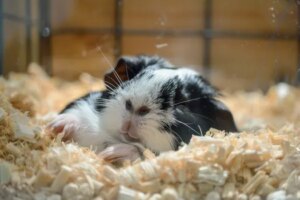
Chinchilla drooling is usually a sign of mouth disease—stomatitis, gingivitis, ulcers, or misaligned teeth—and can also bring bad breath, pain, and appetite loss. For mild gum inflammation use a small-pet oral spray and a broad-spectrum antibiotic; for anything severe, or if digestion, stress, or the nervous system is involved, see a vet to find the exact cause.
White Bear Hamster: Traits and Care
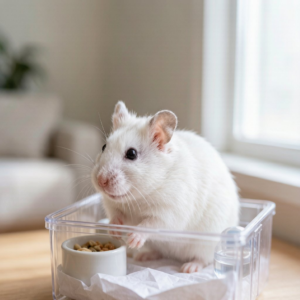
The White Bear hamster is a type of Teddy Bear hamster with snow-white fur and black or red eyes. Many in the "line" group have a short temper, so they are not ideal for first-time owners. Patience and gentle hand-feeding help them bond. They are nocturnal, timid, and prefer hiding, and do best around 27 C. Because they gain weight easily, a balanced diet keeps obesity and its related diseases at bay.

Why You Should Not Train a Dog to Walk Upright
A dog's body differs from a human's: its spine is more curved and lacks pelvic support, so standing and walking on the hind legs loads the lower back, spine, and rear legs with extra weight. This can cause patellar luxation, joint wear, arthritis, and cartilage damage, even spinal deformity, rear-leg deformity, or bowlegs. Severe spinal harm may lead to incontinence or paralysis, so do not train dogs to walk upright for fun.
Do Cats Hold Grudges After Being Hit? (Why You Shouldn’t Hit Them)
Many owners think a single hit is no big deal, but cats have strong short-term memory for painful or frightening events. A kitten may not "hold a grudge" but will remember being hurt and slowly lose trust, hiding whenever it sees you. Adult cats remember even more and are quicker to resent. Hitting rarely teaches a lesson, since only a few very smart cats grasp your intent. Signs of a grudge include refusing touch, destroying things, inappropriate elimination, counter-attacking, or running away. The fix is to stop all physical punishment, rebuild trust with treats and play, and correct with a firm voice, time-out, rewards, or a mother-cat style neck tap instead.
What Types of Dog Collars Are Available?
Choosing the right collar matters for every dog owner, both for safe daily walks and your dog's comfort. The market offers a wide variety of options—leather, nylon, metal chain, buckle, harness-style, studded, and even GPS-tracking collars—each designed with distinct advantages. Leather collars are durable and attractive but not water-resistant; nylon is light, washable, and adjustable; chain collars suit strong pullers yet require gentle handling; buckle collars grow with puppies; harness collars are cute and reduce strain; studded collars deter escapes; and GPS collars help recover a lost pet. Matching the collar to your dog's size, breed, and behavior—along with your own preferences—ensures both safety and comfort.

Signs Your Hamster Is About to Give Birth
As birth approaches, a hamster shows signs such as a visibly enlarged abdomen, reduced or refused appetite, less activity, bloody discharge from the vulva, and heightened alertness, while also seeking a suitable place to deliver. Prepare in advance, give extra attention, and provide a quiet, comfortable environment to protect the mother and her pups.
How to Read Your Cat’s Mood From Its Ears
A cat's ears are a precise emotional radar: 32 independent muscles let them rotate 180 degrees to pin sound, and their position shifts with mood in real time. Forward and relaxed means content and trusting; upright and swiveling means alert and defensive, so don't disturb; flat back against the head (the "airplane ears") means fear or stress and a risk of fleeing or lashing out, so move the cat to a calm space and consider a pheromone spray. A single tilted ear shows curiosity, and frequent flicking just means something tickled the ear. Reading these cues helps you interact at the right moment and avoid forcing contact when the cat is uneasy.