Search Results
3385 results for “small breed”

What to Do When a 2-Month-Old Kitten Has Diarrhea and Won’t Eat
A two-month-old kitten is mid-weaning and easily gets diarrhea from diet slips or the stress of a new home. Hold food briefly while keeping water available, use a vet-approved anti-diarrheal, stay on schedule with deworming, and add a probiotic to settle the gut.

Canine Gastroenteritis
Gastroenteritis is inflammation of the stomach and intestinal lining, showing up as digestive upset, abdominal pain, diarrhea, fever, or toxemia. It can be primary or secondary, and the main job at home is to rest the gut, then reintroduce food and water carefully.

How to Tell If Your Cat Needs Deworming
Most internal parasites are invisible to the naked eye until an infestation is advanced, so routine deworming matters more than waiting for symptoms. Kittens need monthly protection and healthy adults every three months; a vet can confirm parasites from a stool sample under the microscope.

How to Tell If Your Cat Has Mites
The hallmark of a mite infestation is intense itching with irregular red patches and hair loss. Unlike ringworm's neat circular rings, mite damage looks blotchy and worsens the more your cat scratches, sometimes progressing to blisters and discharge.

Is Dandruff on a Puppy Normal?
Dandruff from normal shedding is too small to see; visible flakes mean a likely skin problem—fungal disease, allergic dermatitis, too much salt, parasites or hormone issues. Bathe on a schedule with puppy shampoo, keep the coat dry, and balance nutrition; persistent flakes need a vet.

What to Do About a Puppy’s Pus-Like Nasal Discharge
Puppies get runny noses often, and some discharge is normal, but thick pus-like discharge with sneezing, dried mucus, low appetite and sleepiness signals illness. Warm the pup, confirm fever, and treat a cold or respiratory infection; severe cases need the vet.

Cat Has Smelly Yellow Diarrhea but Still Acts Normal
Smelly yellow diarrhea with normal energy usually points to diet—spoiled food, too-hard kibble, or toxins. Stress, overfeeding and chills also trigger it. Fast half a day, use a probiotic and keep the cat warm; persistent or toxic cases need a vet.
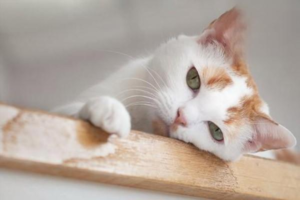
How to Treat Cat Gastroenteritis
Gastroenteritis is common in cats—their digestion handles grains and sharp bones poorly, and spoiled food can trigger acute gastritis. Signs are vomiting, diarrhea, lethargy, appetite loss and dehydration. Withhold food briefly for mild cases, but persistent symptoms, especially in kittens, need a vet.

What to Use for a Kitten’s Skin Problem
Kittens get skin disease often; first identify whether it's fungal or parasitic, then treat it specifically. Fungus shows as circular bald red rings, parasites as scabs and red dots. Clip, disinfect and apply an antifungal spray and ointment, then deworm once healed.

What to Do If Your Teddy (Poodle) Gets Indigestion From Mango
Teddy (Poodle) dogs can eat a little mango, but it is a stimulating fruit and too much irritates the gut, causing indigestion and diarrhea; allergic dogs should avoid it entirely. A probiotic eases indigestion, while diarrhea calls for short fasting plus a vet-recommended antidiarrheal.