Search Results
69 results for “slow feeder”

Why Dogs and Cats Vomit After Eating Dry Kibble
Dry food is made by extrusion, which puffs each piece so it swells sharply once it meets stomach fluid — a belly full of expanding kibble is a common reason dogs and cats bolt their food and then vomit. Soaking the food softens it and eases the gut, while slow-feeder bowls, split meals, and probiotics help dogs with sensitive stomachs.

Understanding Normal Rabbit Behaviors
Knowing a rabbit's normal behaviors helps breeders spot problems early and respond in time. Key patterns include feeding and drinking, nursing, cecotrophe (soft stool) eating, and territorial marking. Recognizing what is typical versus abnormal is essential to rabbit health and productive husbandry.

What to Do When a Dog’s Gastroenteritis Keeps Coming Back
Recurring gastroenteritis shows up as vomiting, foul watery diarrhea, abdominal pain, and dehydration, often driven by overeating, contaminated food, or weak gut immunity. Prevent flare-ups with fresh clean water, fixed meal portions, and slow-feeder bowls; see a vet promptly if dehydration sets in.

What to Do When a Dog Vomits Right After Eating
A dog that throws up right after eating may have eaten spoiled food too fast, have gut trouble or worms, or carry a virus such as distemper or parvovirus. Soften kibble for puppies, slow fast eaters with a bowl, and see a vet at once if a viral infection is suspected.
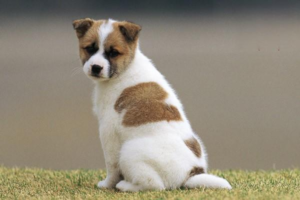
Why Your Dog Always Acts Hungry
A dog that acts hungry may just be a natural eater, a fast eater, or responding to table scraps and enhancers. Diseases like Cushing's, diabetes, and parasites can also drive constant hunger.
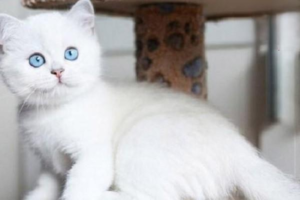
How to Stop Your Cat Waking You at Night
Cats are nocturnal, so night yowling is common. Burn energy by day, meet needs before bed, keep a feeding routine, ignore attention-meows, and stay consistent.
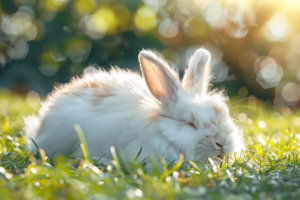
Infectious Stomatitis in Rabbits
Infectious stomatitis (also called 'salivation disease') is a contagious viral disease of rabbits, especially 1–3-month-old kits, often infecting a whole litter at once. It causes drooling, mouth blisters and ulcers, and can kill kits within a week without prompt treatment; isolation, topical antibiotics and good hygiene are key to control.

How to Correct Your Dog’s Habit of Eating Too Fast
Eating too quickly is an unhealthy behavior in dogs and can lead to serious digestive conditions such as gastric dilation and bloat (gastric torsion). This guide explains why dogs bolt their food and offers practical training methods—slow-feeder bowls, smaller and more frequent meals, and food enrichment—to help them slow down.

Why Does Your Cat Fart So Often?
Frequent or smelly farts can come from eating too fast, poor diet, too much hair in the gut, or bowel disease — judge by the situation. Eating fast and bad diet are the usual culprits; gulping air adds gas, and low-quality or hard-to-digest food makes it smelly. Use a high-quality diet and slow the cat's eating to avoid gut upset.

Why Is Your Puppy Hiccupping?
Puppy hiccups are common from eating too fast or too much, spicy/cold food, stress, cold, or illness. Use a slow-feeder bowl, belly rubs, and steady feeding; frequent smelly gas with hiccups needs a vet.