Search Results
529 results for “sleeping”
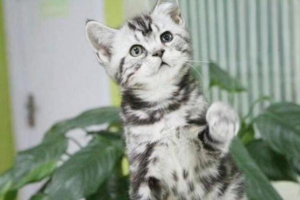
What to Do About a Kitten’s Bad Breath
A cat's breath should be a faint fish or food smell; obvious odor with yellow teeth, tartar, or calculus means serious oral disease that can become gingivitis, periodontitis, or stomatitis. Build cleaning habits early: brush with a finger brush or gauze, use vet-recommended rinse or powder, or offer dental chews that scrape away plaque.
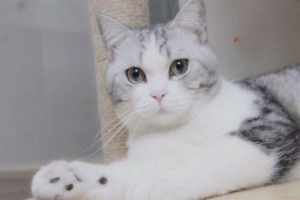
Cat Stress Reactions and How to Ease Them
Stress is the most common feline behavior problem and a driver of many diseases. Triggers include new homes, vet or grooming visits, noise, household changes, and resource competition in multi-cat homes. Signs range from acute fear to chronic hiding, over-grooming, and aggression. Ease stress with a calm space, play, pheromones, and a vet check.
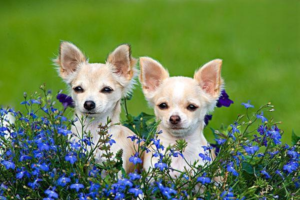
Can a 7-Year-Old Care for a Dog?
By age seven, children can grasp that dogs have feelings and need gentle care, but real responsibility takes maturity. Parents should weigh the cost, time, and long-term commitment (dogs can live 18 years), then ask the child honest questions about why they want a dog and the daily duties. Teach kids the 'be a tree' stance against aggressive strange dogs.
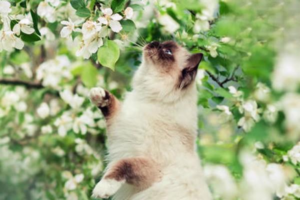
Do Cats Dream?
Watch a sleeping cat twitch its tail, flick its whiskers, or give a soft chatter, and you are seeing dreams in action. All mammals share REM sleep, the stage where dreams happen, and cats are no exception. They likely dream of the day's events, perhaps hunting, and yes, they can have nightmares too. Best not to wake a dreaming cat, as a sudden startle can lead to an accidental scratch.

Reading Your Dog’s 8 Common Behaviors
Dogs 'speak' through action. Chewing furniture may mean separation anxiety; yawning signals stress relief; bringing you an item asks to play or says 'I love you'; sitting on your lap claims you; sleeping on your bed protects you; a calm gaze is fine but a restless one needs care; a raised paw seeks attention or checks for injury; leaning on you shows trust.
Is Your Cat Really Calm at Night?
Not quite. After you fall asleep, cats often stay busy in four ways: curling up to sleep with you, quietly staring (and waiting to bat your feet), zooming around the house, or silently causing mischief. The good news is that most calm down into lazy adults as they grow.

Reading Your Dog’s Personality From Its Sleep Pose
Sleep poses hint at mood. Belly-up is rare—dogs are guarded and the belly is vulnerable—so a dog that sleeps on its back by you feels safe and loved, and tends to be upbeat (it's also comfy). Flat-out (legs folded) is the common self-protective pose for quick reaction, often signaling low security—these dogs may sleep under beds or tables. Side-lying is relaxed yet still ready to react; smart dogs sleep lightly to stay safe. Curled-up dogs lack security too but are usually gentle and obedient—though a curled pose can also mean the dog feels unwell, so watch closely.

Why Does Your Dog Snore?
Snoring is air vibrating through the throat, nose, and pharynx; a low, steady sound is normal, but loud snoring means an abnormally narrow airway. Causes: respiratory illness (cold, rhinitis, tracheitis—watch for cough, sneeze, runny nose, lethargy, hard breathing), breed (flat-faced dogs like French/Boston Bulldogs have tiny nostrils and long soft palates, so they snore and need weight control plus avoiding heat and sudden exercise), environment (cold air or dust narrowing airways), and sleep pose (back-sleeping worsens it—use a round bed to discourage it).
Why Does My Dog Urinate in the House?
When a normally clean adult dog urinates indoors while you are out, scolding and punishment aren't the only responses to consider—why is your adult dog doing this? Puppies peeing inside is just the cost of dog ownership, so we focus on adults. Occasional accidents are normal ('nature calls'), but frequent, repeated indoor urination deserves attention, because it brings urine odor and possibly other problems. Medical causes: urinary disease (often a UTI causing random urination, usually treatable with medication); incontinence (dribbling or peeing while sleeping points to incontinence, treatable early with medication; large-area urination suggests something worse—see a vet); senior dogs (canine cognitive dysfunction makes them forget where they are, causing accidents). If your dog is healthy and not old, the cause is behavioral: intact males may mark after sexual maturity—normal—but a dog that never peed inside suddenly doing so may be stressed by household changes (a new member, a departure, new smelly or noisy objects). To change it: don't yell—catching the act in the moment matters, not the old puddle; remove or relocate the trigger; and clean thoroughly with an enzymatic cleaner that fully removes the odor so the dog doesn't remark the spot.
Preventing Autumn Diarrhea in Dogs
Dogs can get diarrhea in any season, usually from poor feeding habits or a habit of chewing whatever they find. Frequent bouts leave the gut fragile and hold back healthy growth, so prevention matters most when the weather turns. In autumn, sharp day-and-night temperature swings, a seasonal rise in infectious disease, and faster food spoilage all raise the risk. A warm sleeping spot, up-to-date vaccinations, and fresh, properly handled food are the three habits that keep a dog's stomach settled through the change of season.