Search Results
529 results for “sleeping”

5 Cat Breeds That Barely Shed
If cat hair is your nemesis, consider the Sphynx, Tonkinese, Bombay, Cornish Rex, or Devon Rex — low-shedding breeds with distinct looks and affectionate natures.

Cat Trivia: Fun Facts Every Cat Owner Should Know
Not every cat owner knows these fascinating feline facts - how many of them did you already know?

How to Prevent Rabies
After vaccine scares, people worry about fake vaccines and immunity. Rabies is a fatal zoonosis of the nervous system - preventable but untreatable, 100% fatal.

Daily Care for Cats
A few things to know about keeping cats. Homes with pet cats must pay special attention to cleaning; this affects both the pet's health and our own lives, but some corners are always overlooked. Let's look at daily care notes for raising cats.

The Risks of Petting and Snuggling Cats
Now humans who call themselves the superior species bow to cats, dropping dignity to become 'cat slaves' and 'pooper-scoopers' and loving it. More people join the ranks, even the saying 'pet a cat once and you are a cat slave for life'.

Samoyed Buying Guide: What to Check Before You Buy
Choosing a Samoyed that suits you is important. Before buying, learn about the breed so you can judge correctly. This article shares tips for selecting a Samoyed.

Can Distemper After-Effects Be Cured? What Are They?
Distemper can be cured with prompt treatment, but even after recovery dogs may be left with after-effects. Here are the common sequelae of canine distemper.

What to Know Before Getting a Hamster
Before keeping a hamster, learn its basics: it is solitary (one per cage to avoid fights), comes in types like dwarf, robo, and teddy differing by coat, has a scent gland that may need cleaning in heat, is nocturnal so use a quiet wheel or keep it from bedrooms, and needs a clean cage and no strong smells nearby. Lifespan is only 2–3 years, so commit fully.
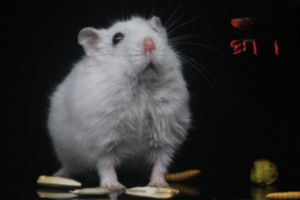
Why Hamsters Play Dead and What to Do
Hamsters play dead as a self-defense instinct when threatened or stressed, but it can also be deep sleep or, dangerously, pseudo-hibernation in winter. Wake a faking hamster with companions, play, food scents, or warmth, and always check body temperature and heartbeat if it lasts.

Reading Hamster Emotions
Hamsters show emotion through body language: grooming to restore their own scent after handling, rolling onto the back when terrified, curling into a ball when cold or uneasy, ears down when alert or frightened, and standing to listen. Reading these cues helps owners meet needs and build trust.