Search Results
48 results for “sleep quality”
What happens if a dog doesn’t sleep well?
Poor sleep causes fatigue and low spirits, abnormal behavior like not playing or laziness. Sleep restores energy and immunity; poor quality lowers immunity, easy infection. Poor sleep also makes dogs anxious; long-term affects mental health. Finally, it can lead to obesity, heart disease, breathing difficulty.
How Much Sleep per Day Is Normal for an Adult Dog?
Sleep time varies; adult dogs sleeping 10-16 hours a day is normal, more if tired. Dogs need sleep to restore energy; ensure at least 8 hours. Keep the resting environment quiet for good sleep quality.

What Are the Signs That a Cat Is Sleepy?
A sleepy cat shows heavy eyelids, yawns, and rubs its eyes, then sleeps up to 15 hours a day. Give it a quiet, dim, comfortable spot with a steady routine and daily play to sleep well.

What Your Cat’s Sleeping Position Reveals About Its Mood
A cat's sleep pose is a window into how safe and relaxed it feels. A cat that flops belly-up is completely at ease, while one curled into a tight ball with its head on its paws is on alert. Giving your cat a quiet, comfortable spot to rest supports better sleep and lowers stress.
Is It Unhealthy to Let Your Dog Sleep in Your Bed?
Letting a dog sleep next to you can hurt your sleep and health. Dogs hear and smell keenly and wake easily at small lights, sounds, or odors, then pace or bark and disturb you. The bacteria they carry can irritate your airways or skin, constant closeness can make the dog overly dependent and anxious, and there is a real risk of accidentally rolling onto or stepping on it. When possible, keep separate sleeping areas; otherwise vaccinate, deworm, bathe, and clean regularly, and move a sick dog elsewhere.
My turtle just lies there and sleeps all the time – why?
A turtle that stays still and sleeps constantly may be stressed by a new environment, kept in water that's too hot or cold, living in poor water quality, or actually ill. Rule out disease first, then check water temperature - low temperatures trigger hibernation - and in summer change the water often and use a pet-safe disinfectant to prevent bacterial buildup, while feeding high-quality food rich in protein and vitamins.

The Dangers of Obesity in Hamsters
Obesity seriously harms a hamster's health. It raises the risk of diabetes, high blood pressure, and heart disease, and can trigger fatty liver, joint problems, and breathing trouble. Extra weight lowers overall vitality, dulls appetite and digestion, and can spoil sleep quality, which then affects physical and mental wellbeing. Prevent it with a varied, balanced diet, controlled portions, and enough space plus a wheel and toys for regular exercise. Knowing breed weight standards helps you spot and reverse excess weight early.
What if a dog is covered with too many blankets?
Too many blankets make a dog uncomfortable and hurt sleep, since its fur already insulates. For short fur, a thicker pad is better. In winter, a small coat prevents colds outdoors.

Why Do Dogs Yawn?
Dogs yawn when tired, short of oxygen after exercise, as a social signal, or out of boredom. It is a normal physical response—watch for drowsiness signs like red eyes and low energy, and ensure enough rest and exercise.
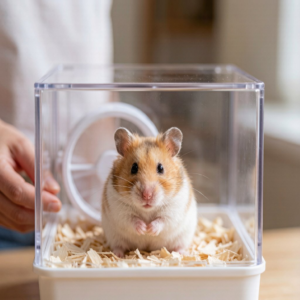
Essential Hamster Care: What Every Owner Should Know
Keeping a hamster healthy and extending its lifespan depends above all on proper husbandry. Before bringing a hamster home, owners should prepare a spacious cage with suitable bedding, a food bowl, a water bottle, and an exercise wheel, then keep the enclosure clean and disinfected on a regular schedule. A balanced diet built around a high-quality hamster mix, supplemented with small amounts of fruit and vegetables, and constant access to fresh, safe drinking water are equally important. This guide covers the fundamentals of scientific hamster care: building a comfortable habitat, providing nutritious food and clean water, maintaining a tidy living space, encouraging daily exercise, reducing stress, and managing temperature through the seasons. With the right setup and routine, even first-time owners can help their pet thrive.