Search Results
961 results for “sick cat”

Keeping Your Cat Safe with the Air Conditioner
Air conditioning helps in summer, but dry, stale, over-cool air can trigger 'AC sickness' in cats. Keep water flowing, set the temperature around 26–27°C with under a 7°C gap from outside, air out the room every few hours, and don't park the cat in the AC room all day.

What to Pack When Traveling With Your Cat
A calm trip with a cat comes down to packing right: a well-sized carrier, pee pads, pet (not human) wipes, food and water, comfort treats and toys, a leash, weather layers, and a small med kit covering disinfectants, digestion aids, anti-diarrheals, and antifungal cream. Skip human wipes — the alcohol in them makes a cat sick if it licks itself clean.

Why Dogs and Cats Vomit After Eating Dry Kibble
Dry food is made by extrusion, which puffs each piece so it swells sharply once it meets stomach fluid — a belly full of expanding kibble is a common reason dogs and cats bolt their food and then vomit. Soaking the food softens it and eases the gut, while slow-feeder bowls, split meals, and probiotics help dogs with sensitive stomachs.

Black Spots on Your Cat’s Nose: Dirt or Something Serious?
About 90% of black marks on a cat's nose sit along the bridge, are greasy food grime that wipes away to reveal clean skin, and are completely harmless. But specks inside the nostrils with sneezing or discharge point to an infection such as a cold or feline herpesvirus, and dark patches on the bridge or sides of the nose often mean ringworm — both warrant a vet visit.

Essential Nutrients in a Cat’s Daily Diet
Cats need protein, fat, and vitamins to stay healthy—protein supplies essential amino acids like taurine that cats cannot make themselves. Fat is their main energy source, while B-vitamins and vitamins E and K support metabolism, liver health, and appetite. A balanced diet is the foundation of disease resistance.

What to Do When a Cat Hates Baths
Cats evolved in dry deserts and dread getting wet, but skipping baths invites parasites and skin disease. Desensitize early, use a big non-slip tub with chest-deep water, wash back-to-front, keep water off the face, and clip nails 2–3 days ahead. Don't bathe a sick, newly vaccinated, or dewormed cat.

What to Do If Your Cat Catches a Cold from a Fan
Cats can catch a cold from prolonged direct exposure to a fan, especially those that are weak or have low immunity. The best approach is prevention—keep the fan oscillating so air is never blown straight at the cat—and if a cold does develop, keep the cat warm, offer nutritious warm food, and ensure good hydration.

How Cat Health Relates to Nutrition
Pet cats are fully domesticated and far more delicate than stray cats, so nutrition — not just any kibble — is what keeps them well; spend on prevention through good food rather than on treatment. Favor natural options like raw meat, egg yolk, and goat's milk, use immune boosters such as transfer factor, and skip treat-pouches and gravy toppers that are mostly attractants.
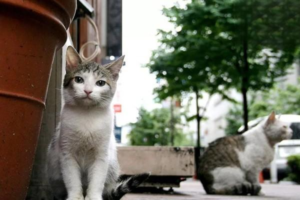
Cat Rhinotracheitis: When Your Cat Stops Eating and Drinking
Feline rhinotracheitis (cat flu) blunts a cat's appetite in stages — reduced eating mid-illness, outright refusal once it's severe — because thick nasal discharge blocks scent and therefore the urge to eat. Clear the nose and offer strong-smelling foods like tuna or salmon; if the cat still won't eat, syringe-feeding under veterinary guidance may be needed.

Caring for a Cat with a Sensitive Stomach
A sensitive-stomach cat isn't sick but stays thin and prone to vomiting and diarrhea because poor absorption starves it of nutrients. Steady, easy-to-digest food (no frequent switches), set meal sizes, fresh water, probiotics, and a regular deworming schedule are what keep it healthy.