Search Results
960 results for “sick cat”

Why Is My Parrot Fish Not Swimming?
A parrot fish that suddenly stops swimming may be low on oxygen, too cold, frightened, or sick. Check water and temperature first; if those are fine, treat for gut infection.
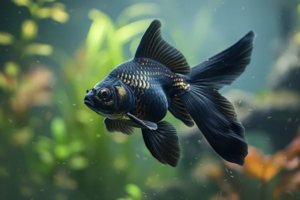
Common Reasons an Arowana Stops Eating
An arowana may refuse food because it is stressed by a new environment, the water has gone bad, the diet is too monotonous, it has a cold, it has internal parasites, or it has enteritis. Pinpoint the exact cause—stable water, a short fast, then targeted treatment—before resuming feeding.

Cockatiel Enteritis: Signs and Treatment
Cockatiel enteritis shows as diarrhea, watery droppings, fluffed feathers, rapid weight loss, and low spirits. Without prompt care it can turn to starvation, blood in droppings, and dehydration fast, so act early.

Why Won’t My Parrot Eat?
A parrot may refuse food for many reasons - illness, fright, a full belly, poor digestion, a sudden diet change, loneliness, or weaning. Read the signs before giving any medicine, since the wrong drug can do more harm.

What Are the Most Common Turtle Diseases?
Turtles are hardy, but they still get sick, especially with poor water and feeding. The most common illnesses are colds, enteritis, mycosis, and soft-shell disease, each with distinct signs and treatments ranging from antibiotics to diet fixes.

What to Do When a Blood Parrot Fish’s Fins Rot
Fin rot in blood parrot fish is usually caused by poor water quality or injuries from fighting. Here is how to treat it with water changes, medication, and isolation.

Common Questions About Turtle Colds
Turtle colds are treated early with antivirals, vitamins and rest; mild cases can self-heal but severe ones need medication. Symptoms include weeping eyes, runny nose, bubbles at the nose and lethargy, and may become pneumonia with open-mouth breathing. Prevent by good water quality, stable temperature and isolation.

Prevention and Treatment of Colds in Turtles
A turtle cold can progress to pneumonia, which is far more dangerous, so treat it promptly and watch for pneumonia signs. Isolate the sick turtle, keep the enclosure at about 30°C, and use antibiotic baths (e.g., cephalexin) or amoxicillin by weight; prevention focuses on good water quality and strong immunity.
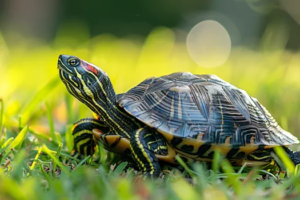
How to Treat a Cold in a Turtle
Turtle colds are treated by severity: mild cases need isolation and a warm (30–32°C day, 28–30°C night), well-ventilated environment plus electrolytes and sunlight; moderate cases add daily oxytetracycline soaks; severe cases need amoxicillin for two courses, with a vet visit if there is no improvement.

Causes and Pathological Analysis of Turtle Enteritis
Turtle enteritis is usually triggered by a sharp drop in enclosure temperature or spoiled food, and good husbandry and careful feeding prevent most cases. This article covers the causes, the staged symptoms (from mild loose stools to severe floating, refusal to eat, and limb weakness), and the pathology—where lost electrolytes weaken the gut's absorption and must be replenished—plus treatment centered on anti-inflammatory, anti-diarrheal, and mucosal care.