Search Results
420 results for “sick cat care”

Why Your Cat Won’t Eat After Vaccination
Low appetite, mild fever, or sleepiness after a vaccine are normal and fade in 1–2 days. Serious signs — facial swelling, vomiting, shock — need urgent care. Only vaccinate a healthy cat, disclose past allergies, and watch for 30 minutes post-shot.

How Many Days Can a Cat Survive Without Eating?
A cat can last about a week without food; beyond that, weakness and organ failure set in, and the risk of fatal fatty liver rises sharply after three days. Boredom with food, sudden diet swaps, stress, or illness cause refusal — offer small frequent meals and vet care if sick.

Is Your Cat’s Hoarse Voice a Sign of Illness?
A suddenly hoarse meow can be harmless — some cats fake it for attention — but it can also mean stress-induced inflammation, a seasonal cold, or a throat foreign object. Watch for other signs: if the cat eats and rests normally, it often recovers in about a week; fever, sneezing, or gagging means a vet visit.

Can a Cat’s Respiratory Infection Heal on Its Own?
Most cat respiratory infections do not clear up on their own. Bacterial or simple colds may self-resolve thanks to the cat's immunity, but the common viral causes — herpes (rhinotracheitis) and calicivirus — require treatment. See a vet; at home, vet-prescribed antibiotics plus lysine help, and isolate the cat since these viruses spread fast.

What to Do When Your Cat Sneezes and Has a Runny Nose
A cat cold usually starts from a chill, and if it drags on for over a week it needs real attention—left alone it can lead to coughing, dehydration, or low fever. Check the temperature, keep the cat warm, rule out serious illness, and support recovery with food and fluids.
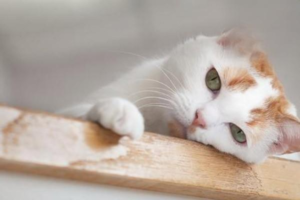
Mild Cat Cold vs. Feline Herpesvirus (Cat Flu)
A sneezing, runny-nosed kitten usually has either a mild cold or feline herpesvirus (cat flu). The mild version clears with warmth and rest; the viral form brings lethargy, poor appetite, and eye discharge and needs isolation plus veterinary care. Telling them apart decides how quickly your cat recovers.

Visible Signs of a Cat Cold
A cat cold shows up as sneezing, nasal discharge, coughing, a raised temperature, low energy and poor appetite. Spotting these signs early lets you treat promptly and spare your cat days of discomfort. Treatment is symptomatic—you address each sign as it appears.

How Much Does It Cost to Keep a Cat Each Month? (Owners Say: Not Much)
Counter to the myth that cats are pricey, owners and a vet agree a healthy cat costs little — roughly $15–45 a month for food, litter, and basics. The real budget-breaker is illness, which can hit $140 or more in a single visit.

Pet Skin Diseases (Part 1): Parasitic and Fungal Infections
Skin disease is common in dogs and cats and tends to flare up and recur, usually because their skin defenses are weak and their surroundings are full of triggers. The two hardest types to clear are external-parasite infestations (fleas, lice, mites, ticks) and fungal infections (ringworm); both cause intense itching, hair loss, and skin damage and need treatment of both pet and environment. Since they are contagious and slow to resolve, early veterinary care and consistent parasite control are the keys to recovery.

Symptoms and Treatment of Hole-in-the-Head Disease in Blood Parrot Cichlids
Hole-in-the-head disease (head and lateral line erosion) is a common, highly contagious condition in blood parrot cichlids, usually triggered by nutritional deficiencies or poor water quality. Because it spreads easily to healthy tankmates, isolating the affected fish and starting treatment promptly makes the difference between a quick recovery and a worsening infection.