Search Results
420 results for “sick cat care”
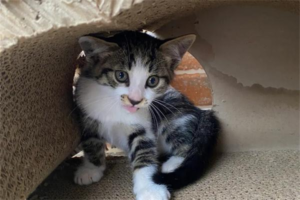
What Does It Mean When a Stray Cat Rubs Against You?
A stray cat rubbing on you usually signals affection and trust — but it may also be seeking food, help, a home, or even 'claiming' you. Strays lack steady food, so they approach friendly people for a meal. Some were once pets and still hope to be adopted. Stay cautious: keep distance to avoid bites, watch for illness, and if you take one in, get a vet check, vaccines, and deworming.

When Does a Cat Get Angry and Bite?
A cat may suddenly bite when its territory is invaded, it's startled, the environment changes, or it's in pain or discomfort. Petting too long or hitting a sensitive spot can provoke it; a frightened cat may bite in self-defense; and a cat in pain can turn aggressive. Respect its space, read its body, and see a vet if biting comes with signs of illness.
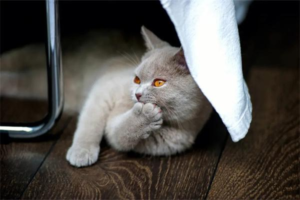
Do Cats Cry?
Cats do produce tears, but tearing is rarely from sadness—most often it's flat-face anatomy, eye disease, food, irritants, or smells. True emotional crying is rare. Wipe the eyes clean, rule out irritants or illness, and see a vet if tearing persists.

Can You Vaccinate Your Cat at Home?
It's generally not advised to vaccinate a cat at home. Personal supply chains are unverified and poor storage can ruin the vaccine, and proper site, dose, and after-care need a vet's skill — mistakes cause pain, poor uptake, or overdose reactions. Severe allergic reactions at home are hard to treat in time. If a clinic is impossible, study the technique, and watch the cat closely afterward.

Common Side Effects After Cat Vaccination and What to Do
Mild reactions after a cat's vaccination—low fever, tiredness, poor appetite—are normal and usually fade in 1–3 days as the body builds antibodies. Watch for serious signs like facial swelling, vomiting, or breathing trouble and head to the vet; keep the cat calm, hydrated, and away from other cats for a week.

Dry or Wet Cat Food: Which Is Better? (Most Owners Pick Wrong)
Neither dry nor wet food is absolutely better; it depends on the cat. A healthy adult can follow a "dry in the morning, wet in the evening" rule, meeting nutrition and water needs while avoiding spoilage. Special cases, senior cats with poor teeth, 2-3 month kittens, and cats with urinary disease, should lean toward wet food. The catch: long-term wet feeding needs extra dental care. Dry food is convenient, cheap, and helps scrape teeth but is only ~5% moisture and calorie-dense, raising dehydration and obesity risk. Wet food is 70-80% moisture, tastier, and nutrient-rich but costs more, spoils fast, and leaves more residue on teeth.

Bringing Home a 2–6 Month Old Puppy or Kitten: A Complete Care Checklist
A new 2–6 month old puppy or kitten is fragile, and mistakes in the first weeks—too much handling, wrong food, missed vaccines—can cause stress, illness, or worse. Start by letting the pet settle alone for 1–2 hours before gentle interaction; keep the same food it had before (soak kibble if needed) and feed 3–4 small meals a day. Watch the first week closely, since transport can expose them to panleukopenia, cat flu, distemper, or parvovirus on top of stress. The vaccine and deworm timeline matters: deworm first, wait at least 7 days, then vaccinate (dog multivalent from ~45 days, three shots 21 days apart, rabies at 3 months; cat FVRCP from 2 months, three shots 28 days apart, then rabies). Don’t bathe, delay outings until vaccinated, and never feed toxic people foods like grapes, chocolate, coffee, or avocado.

Why Has Your Cat Suddenly Become Aggressive?
A cat can turn aggressive for many reasons, including physical health problems, social conflict, bad past experiences, lack of play and stimulation, and fear or stress. Owners should learn their cat's physical and emotional needs and provide affection, social contact, stimulation, and a safe environment to prevent negative moods. If the aggression persists or worsens, have the cat checked at a veterinary clinic and, when needed, consult a professional animal behaviorist.
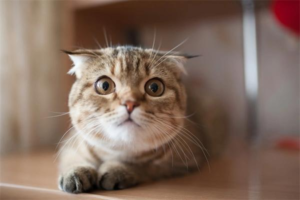
Why Has My Cat Become Inactive?
A sudden drop in a cat's activity can mean many things: illness, a change of environment, aging, a naturally calm personality, or simple boredom. A busy owner who rarely plays with the cat can leave it bored, inactive, even depressed—so give plenty of companionship and affection. But illness, a move, or old age can also be the cause, and you should judge by the situation. If low energy comes with vomiting, diarrhea, or lost appetite, see a vet; if it follows a move, give time and a safe space; if the cat is elderly or just naturally quiet, that may be normal. Watch your cat closely and respond with the right care.

Caring for Your Cat During Spring Festival
For the holiday, plan your cat's care three ways. Staying home: stock ample dry food, extra water (evaporation and spills happen) and thick cat litter - one cat wants about three boxes; lay waterproof pads on sofa and bed in case of stress-peeing. Road trip: use a spacious airline crate (not a cat bag for long drives), let the cat adapt to it beforehand with treats and a blanket that release calming pheromones, pack pee pads and wipes, shield shy cats from view, and drive gently since cats get carsick. Boarding: ensure vaccines are current, pick a cat-dog separated, larger space, bring familiar items and pheromone gear. Not all cats suit this - under-six-month kittens, medicated or chronic cats, pregnant or post-birth cats need special care. After return, wait 2-3 days before bathing, and watch for blockage (a post-holiday high-risk period).