Search Results
31 results for “shave dog summer”

Do Cats Feel the Heat in Summer?
When summer arrives, many people think their cat is too hot and shave it completely to ward off the summer heat. Is this the right thing to do?
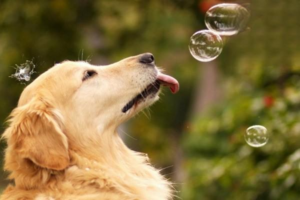
How to Prevent Dog Diseases in Spring
In spring all things revive and microbes hidden in corners become active, so spring is also a season of high disease incidence.
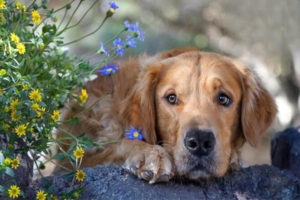
How to Help Your Dog Safely Get Through Summer
Summer is here and it is getting hotter; the dog at home gets restless. To get through summer safely, these details must be noted.

Things to Note When Raising a Dog in Summer
Summer is the hardest season for dogs. Shedding, heatstroke, skin disease and gut disease peak. The food-loving dog loses appetite, resistance drops, even allergies.

Pros and Cons of Shaving Your Dog
Summer comes and many owners worry the dog is too hot, shaving even to the skin. Is this right? Does it affect health? Does a puppy's shaved coat grow back thicker?

Summer Cat Care: Mistakes and Precautions
Cats do feel the heat and cannot cool themselves through skin sweat glands. Avoid shaving their coat or using enclosed bubble carriers, keep air flowing, offer plenty of water, and guard against food spoilage and parasites.

Can Ice Make a Dog Sick in Summer?
Ice itself is safe and a great summer cooler — the real danger is bloat from gulping large amounts of water. Use small ice cubes and protect the gums from hard ones.

Dogs Need Sun Protection Too
As it heats up, summer outings hide risks beyond heatstroke - did you know dogs get sunburned?

Can Dogs Get Heatstroke in Summer?
Dogs have almost no sweat glands and cool mainly through paw pads and panting, so summer heatstroke is a real, sometimes fatal risk. Learn the mild/moderate/severe signs and how to cool your dog fast.

Can a Dog Recover from Heatstroke on Its Own
Mild heatstroke in dogs can sometimes resolve on its own if the dog is moved to a cool place and cooled promptly, but moderate to severe heatstroke rarely self-heals and can be fatal. Treatment ranges from fan cooling and oral rehydration to emergency cooling and immediate veterinary care, while prevention focuses on coat trimming, never leaving a dog in a car, and avoiding midday walks.
- « Previous
- 1
- 2
- 3
- 4
- Next »