Search Results
274 results for “sensitive skin”

Demodicosis in Dogs and Cats (Demodectic Mange): Symptoms, Treatment, and Prevention
Demodicosis is a skin disease caused by Demodex mites living in hair follicles and oil glands, producing localized or widespread hair loss, redness, and scaling. Most dogs carry the mites harmlessly, but stress, illness, or immune weakness allows outbreaks that need veterinary antiparasitic treatment.

Canine Hookworm Infection (Ancylostomiasis): Symptoms, Treatment, and Prevention
Hookworm infection is a parasitic disease of dogs caused by Ancylostoma and Uncinaria species that attach to the intestinal wall and feed on blood, producing severe anemia. It is treatable with anthelmintics and, in serious cases, transfusion.

Tuberculosis in Dogs and Cats: Symptoms, Treatment, and Prevention
Tuberculosis is a chronic infectious disease caused by Mycobacterium tuberculosis. The bacterium can invade many organs but mainly the lungs (pulmonary TB). The clinical signs and treatment of TB in dogs and cats are described below.

Why Does My Dog Smell Bad?
If your dog has a persistent odd smell even right after a bath, the cause is usually skin secretions, ear-wax buildup, or oral disease. Here is what to check.
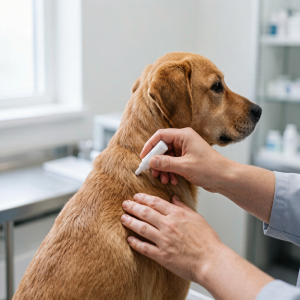
What to Know About Flea Prevention for Pets
Fleas harm not only pets but the whole household. Few things ruin summer fun like these tiny, nearly invisible parasites that plague pets and their owners.

Cat Body Anatomy
Cats are born hunters with superior hearing, vision, and athletic ability. Let us explain a cat's body structure in detail.

Why You Should Groom Your Dog Regularly
When you bring your dog out of the grooming salon, your pet usually looks refreshed, not only handsome and beautiful but also very energetic. Good regular grooming keeps your dog clean and comfortable all year round. Most groomers will recommend grooming your dog every 6 to 8 weeks, but the exact frequency may depend on the dog's breed, lifestyle, and your styling preferences for your pet. Knowing your options in advance can help you communicate better with the groomer and develop an effective grooming plan.

Can You Use Human Shampoo on Your Dog?
Will the shampoo you use cause trouble for your dog? Whether or not you follow the rules, most dog owners have heard that dog shampoo should not be mixed with human shampoo when bathing. As a rule, shampoo is individual. This article explains why dog skin differs from human skin and why pet shampoo is safer.

Cat Anatomy and Nutritional Requirements
A cat's body has nine notable parts (limbs, eyes, teeth, paw pads, nose, tongue, claws, whiskers, ears), and its diet needs core nutrients: protein, fat, carbohydrates, water, crude fiber, magnesium, calcium, phosphorus, and taurine. As obligate carnivores, cats need animal-source nutrition.

Symptoms and Treatment of Demodicosis (Mange) in Pets
Demodicosis (red mange) is a skin condition caused by mites that live in hair follicles. Most pets carry them harmlessly, but an overgrowth causes hair loss, blackheads, and crusting. Learn the signs, how it is diagnosed, and how it is treated.