Search Results
121 results for “senior pet”
CoQ10 for Pets: What It Is and How to Choose a Quality Supplement
Coenzyme Q10 (CoQ10) is a fat-soluble compound that helps cells produce energy, and it is concentrated in the heart, kidneys, liver, and brain. As cats and dogs age, their ability to make CoQ10 declines, which is why it is often discussed as a heart-support supplement. This guide explains what CoQ10 does, which pets are most likely to benefit, how to judge a supplement's real quality, and practical feeding tips — so you can make an informed choice instead of relying on marketing claims.

Choosing a Quality CoQ10 Supplement for Pets
Coenzyme Q10 is a nutritional supplement that supports heart-muscle energy and reduces oxidative stress, but it is not a substitute for prescribed heart medication. When selecting one, look for independently verified CoQ10 content and a clean, naturally fermented source.

How to Care for a Senior Dog
Senior dogs need grooming help, proactive pain management for arthritis, vet-prescribed NSAIDs or other pain meds, and quality supplements (look for the NASC seal). Vet visits every 6 months after age 10 catch problems early. You and your vet are a team for a pain-free life.

Symptoms and Treatment of Demodicosis (Mange) in Pets
Demodicosis (red mange) is a skin condition caused by mites that live in hair follicles. Most pets carry them harmlessly, but an overgrowth causes hair loss, blackheads, and crusting. Learn the signs, how it is diagnosed, and how it is treated.

Why Is My Senior Dog Coughing and Gagging?
Coughing and gagging in an older dog is serious and often tied to declining strength with age. Common causes are a stuck object, kennel cough, or an enlarged heart. Isolate and vet-check as needed, and keep the home safe and the dog warm.
CoQ10 for Dogs and Cats: A Heart-Health Supplement Guide
CoQ10 is a key nutrient for heart-muscle cells and a staple for senior pets and breeds at risk of heart disease. Yet the market is messy—under-dosed, over-claimed products are common. This guide covers who benefits from CoQ10, what to look for on the label, why yeast-fermented source and combined antioxidants (including taurine for cats) matter, and the feeding rules and cautions every owner should know. CoQ10 supports care but never replaces prescribed heart medication.

Canine and Feline Oral Squamous Cell Carcinoma
Oral squamous cell carcinoma is an aggressive, invasive tumor of the mouth lining in older dogs and cats, usually appearing as a firm, ulcerated white mass on the gums, tongue, or palate. Treatment options are limited and the prognosis is generally poor.
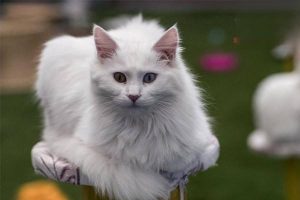
Canine and Feline Cataract: Symptoms, Treatment, and Prevention
Cataract is clouding of the lens in dogs and cats—often in old age or from diabetes, glaucoma, or toxins—that blurs and can destroy vision. Medicines help early stages, but surgery is the main cure.

Coenzyme Q10 (CoQ10) for Dogs and Cats: Supporting Heart Health
Coenzyme Q10 is a compound central to energy production in heart muscle and an antioxidant that helps neutralize free radicals. As an adjunct to veterinary care, it is commonly used to support pets with heart disease, especially seniors and small-breed dogs at higher risk.

How to Choose Goat Milk Powder for Cats and Dogs
Pets are family. To support healthy growth and immunity, more owners feed goat milk powder for balanced nutrition.