Search Results
97 results for “senior dog signs”
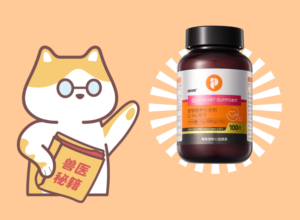
Dog CoQ10 for Seniors and Small Breeds: A Value-Minded Guide
If your dog tires after a few steps, pants often, sleeps longer, or coughs at night, that is not laziness — it is the heart asking for help. Canine heart-disease risk climbs steeply with age (about 10% at 5–8 years, 30% at 8–10, and 45% past 13), which is why CoQ10 is a staple for senior and small-breed care. This guide explains how to judge real value instead of falling for 'cheap' placebos or overpriced imports.

Dog CoQ10 Buyer’s Guide: What Actually Makes a Product Work
CoQ10 supports heart-muscle energy and acts as an antioxidant, but a dog only benefits if the supplement actually contains a real, absorbable dose. With products ranging from a few dollars to several hundred and quality all over the map, the smart move is to judge a product by its label and testing — not by marketing or country of origin. This guide explains how to tell a working formula from an empty one and which dogs are most likely to need it.

Dog Panting After a Few Steps? Don’t Ignore Heart Trouble
A dog that pants heavily or struggles to breathe after only a short walk may be signaling heart disease rather than mere old age or extra weight. Key warning signs include a sudden drop in stamina, labored breathing at rest, blue-tinged gums, nighttime coughing, and lethargy. Early veterinary diagnosis and daily heart-care management can dramatically slow progression and extend your dog's life.

Multiple Myeloma in Dogs and Cats
Multiple myeloma is a malignant plasma-cell tumor of the bone marrow that overproduces immunoglobulin and is rare in dogs and cats. Signs include lameness, bone pain, anemia, bleeding, and weakness, with diagnosis by X-rays, bloodwork, and marrow sampling. Treatment is chemotherapy plus infection control.

Prostatic Tumors in Dogs and Cats
Prostatic tumors occur mainly in middle-aged and older dogs and mimic benign prostatic conditions. Adenocarcinoma is the most serious type and can spread to local lymph nodes, spine, and pelvis. Signs include weight loss, thirst, back pain, and difficulty urinating.

Benign Prostatic Hyperplasia in Dogs
Benign prostatic hyperplasia (BPH) is a common age-related enlargement of the prostate in older male dogs, leading to difficult defecation, constipation, reduced urine output, blood in urine, and a full bladder. Castration is the most effective treatment.

Coenzyme Q10 (CoQ10) for Dogs and Cats: Supporting Heart Health
Coenzyme Q10 is a compound central to energy production in heart muscle and an antioxidant that helps neutralize free radicals. As an adjunct to veterinary care, it is commonly used to support pets with heart disease, especially seniors and small-breed dogs at higher risk.

How to Care for a Senior Dog
Senior dogs need grooming help, proactive pain management for arthritis, vet-prescribed NSAIDs or other pain meds, and quality supplements (look for the NASC seal). Vet visits every 6 months after age 10 catch problems early. You and your vet are a team for a pain-free life.

Why Your Dog Suddenly GASPS or Hiccups
Sudden repeated inhalations in dogs are usually coughing from an upper respiratory infection, a foreign object, a collapsing trachea, or heart disease. Matching the sign with other symptoms helps you decide whether a vet visit is needed.

Is Canine Distemper Contagious to Other Dogs?
Yes—distemper spreads to other dogs, so a symptomatic or confirmed dog must be isolated to stop infection. The virus is highly contagious with a mortality rate above 80%, passing by direct contact, air, or shared food; unvaccinated dogs of any age are at risk.