Search Results
26 results for “self-grooming”
My hamster keeps scratching itself desperately for days. I deworm it and see no abnormality. Why? I am a new owner and very anxious.
Scratching may be normal self-grooming. It also signals discomfort from irritants, allergies, or skin disease. Poor bedding causes allergies; choose suitable bedding. Bacterial or fungal infection causes itch. If persistent, see a vet.
Why does my cat lick its toes?
Licking the toes is a form of self-grooming, as cats are naturally clean. It can also relieve stress or anxiety, and may indicate an injured or sore toe. Parasites like fleas can cause itchy licking too.
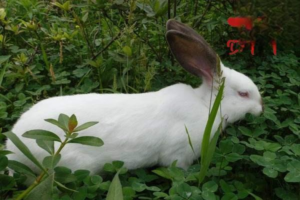
Do Rabbits Get Fleas?
Rabbits rarely get fleas on their own thanks to constant self-grooming, but dirty surroundings or contact with infested cats or dogs can infect them; treat bites with clipped fur, medicine, and an Elizabethan collar, and disinfect the cage. They can also get mites—treat with a medicated bath. This article explains both.
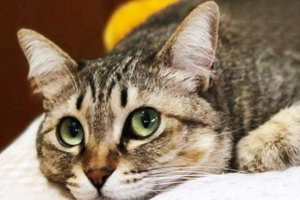
A Summary of Reasons a Cat Won’t Eat
A cat not eating is complex, hairballs, illness, indigestion, or disliked food can all cause it. Observe your cat to find the cause, if unsure, see a vet. Our pet care specialists list common reasons to help you judge.
My four-month-old kitten mounts and kicks its sibling—what’s going on?
A four-month-old kitten is usually not sexually mature, so this behavior is unlikely to be related to heat. It is more likely normal exploration, self-grooming, or play. If other abnormal signs appear, consult a vet.

How to Bathe a Hamster
Normal hamsters don't need baths — water strips their natural oils and risks their health. Odor usually means a dirty cage (clean it weekly) or, occasionally, a female in heat. Use dust bath sand for routine cleaning; only use water for dangerous contaminants like toxins or sticky substances, following a careful step-by-step method.
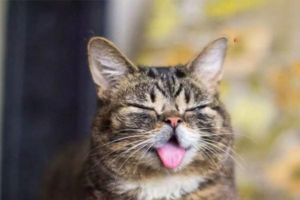
How to Care for a Senior Cat
Cats are considered seniors after age 10, showing fading senses, weaker appetite, and reduced mobility. Good care means easy access to litter boxes and water, a diet matched to calorie needs with added supplements, gentle play, and close daily monitoring for illness as immunity declines.
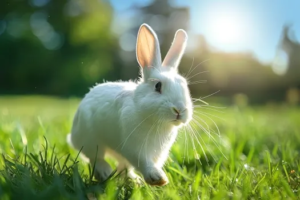
Rabbit Hairball Disease: Causes and Treatment
Hairball disease, common in long-haired rabbits, comes from swallowing too much fur and blocks the gut with constipation, bloating, and sometimes death. Causes range from cramped cages and poor diet to vitamin or mineral gaps and skin disease. Prevent it with full-ratio feed, isolation of fur-eaters, and regular grooming; treat with vegetable oil and enzyme tablets to pass the mass.

Common Health Issues in Exotic Shorthairs and How to Care for Them
Exotic Shorthairs are prone to eye discharge, a short nose with breathing trouble, malocclusion, delicate paw pads, ear issues, and coat/skin problems from poor self-grooming. Daily cleaning, brushing, and early vet care keep these in check.

Signs Your Cat Is Aging
As cats age into their senior years they show many signs of decline, such as weaker vision and hearing and longer sleep. Here are the signs of an aging cat.