Search Results
20 results for “self soothing”
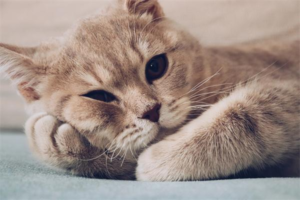
Why Do Cats Knead (Make Biscuits)?
Cats knead for many reasons: they do it when comfortable, relaxed, or safe, often purring while pressing their paws. It can recall nursing as kittens, serve as a self-soothing response to stress, and express happiness or closeness to a person. Very frequent or intense kneading may signal stress, so watch for that.

Does a Cat’s Purring Always Mean It’s Happy?
Most purring does mean a relaxed, content cat, produced by vocal-cord vibration at 20–140 Hz. But cats also purr to self-soothe when stressed, anxious, or in pain (arthritis, illness, labor), and a fast, tense purr with flattened ears signals distress. If purring comes with appetite loss, odd litter-box habits, or lethargy, see a vet.
Why Do Cats Purr
Most purring is normal — a sign of contentment, self-soothing, communication, and healing. But sick cats purr too, so watch for poor appetite or lethargy. Interestingly, a cat's purr can lower a person's blood pressure and stress.
Signs Your Cat Is Lonely
Cats may be solitary by nature, but they still feel loneliness, and long hours alone show up as destructive behavior, excessive meowing, over-grooming, clinginess, oversleeping, or staring out the window. Ease it with a second cat, daily play and affection, and a consistent feeding routine.
How to bathe a cat without cat shampoo at home?
If not very dirty, skip the bath — cats self-groom. For mud, rinse with warm water; for grease, see a groomer. Never use human shampoo (different skin pH causes shedding).
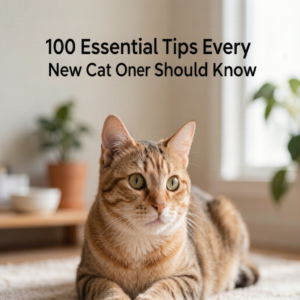
100 Essential Tips Every New Cat Owner Should Know
Bringing home a first kitten is exciting but daunting, and poor care can hurt both of you. These 100 essentials cover diet (life-stage food, toxic grapes/chocolate/onion/garlic, no bones or raw meat, fresh water), daily care (brushing, nail and ear cleaning, litter hygiene, n+1 boxes), health (vaccines at 8–12 weeks, deworming, normal temperature 38–39.2°C, spay/neuter, no human meds), behavior (slow blinks, tail talk, no punishment), and home safety (screens, hiding wires, toxic plants, no smoke). Read them once and you'll share a calmer, healthier life with your cat.
Is Terbinafine Spray Effective for Cat Ringworm?
Terbinafine spray is a first-line antifungal and does help mild, surface ringworm—but it can't reach deep follicles, so it won't cure every case and shouldn't be used long-term. For larger or deep infections, combine it with medicated baths and oral antifungals under veterinary guidance. Clip, disinfect, and protect the skin, and always confirm the diagnosis first.
Why Does Your Cat Keep Licking You?
Cats lick themselves to clean, lick other cats to bond, and lick you for a mix of reasons. A cat's tongue is a built-in comb, but when it turns to you it may be tasting something interesting, showing deep trust, soothing anxiety, or even trying to clean what it sees as a dirty owner. Sudden compulsive licking can signal stress and is worth a closer look.

When Do Cats Knead (and What Does It Mean)?
Cats usually knead in a few clear situations: when hungry, when happy and relaxed, during heat, or when missing their mother. The behavior starts in kittenhood—pawing the mother's belly to stimulate milk—so a hungry cat may knead to ask for food, while a content cat kneads to show trust. During heat, kneading is self-soothing and shouldn't be interrupted. When your cat kneads you, it feels safe and fond of you, so don't push it away. This article explains the triggers and how to respond.

Why Do Cats Knead?
Cat kneading—pushing the front paws rhythmically against a soft surface—starts in kittenhood, when kittens press the mother's belly to stimulate milk flow. Many adult cats keep the habit and knead when relaxed, happy, or seeking comfort. It can also mark territory (scent glands in the paws) or, in intact cats, signal heat. When your cat kneads you, it usually means trust and affection—so don't push it away. This article explains the meanings and how to respond.