Search Results
36 results for “seaweed powder”
What Can a Bichon Eat to Get a Full Coat?
To help a Bichon get a full coat, feed lecithin, seaweed powder, and vitamin tablets, plus egg yolk, avocado, and carrot. Most important is a balanced dog food, then extra nutrition; groom often afterward.
What can I feed my dog for a shiny coat?
Carrot, eggs, chicken, beef, salmon, seaweed powder help. Carrot (vitamin A) aids coat; eggs give minerals but are hard to digest—cook and crumble, don't overfeed.
I bought a golden-shaded British cat from a cat cafe; she’s about a year old, recently had kittens and is still lactating, and her coat is sparse and dry—how do I supplement her?
Lactating cats with sparse, dull coats are often undernourished. Add lecithin, fish oil, egg yolk, seaweed powder, salmon, nutrient paste; feed chicken/duck/beef for protein. Also groom regularly, keep clean, and deworm.

Why Is Your Dog’s Nose Turning from Black to Pink?
A dog's nose usually turns pink from aging or temperature, but it can also signal disease. Causes range from genetics and vitiligo to dermatitis or abrasion. Improve it with vitamins, safe sun exposure, and seaweed powder—and see a vet if white patches or sores appear.
How long until a Bichon Frise puppy develops a black nose?
A Bichon Frise puppy's nose usually turns fully black by about 3 to 4 months. Some may be slow to develop pigment due to genetics or environment, delaying or preventing blackening. You can add seaweed powder and daily sun exposure to help; however, if the parents lack black noses, the puppy may never develop one.
At What Age Does a Dark Pomeranian’s Coat Change Color?
Most dark-coated Pomeranians start to fade around 6 months of age, which is normal, and the coat color will return later. During this period, the owner can supplement with fish oil and seaweed powder. Lack of light can also destabilize coat pigment, causing fading and a lighter nose, so give the dog some sun.
When does a Bichon’s nose turn black?
A Bichon's nose usually turns black at 3 to 4 months, but genetics or slow pigment may delay or prevent it; a naturally spotted nose stays spotted. Help it by giving seaweed powder and 0.5 to 1.5 hours of sun daily.
How can you increase a Bichon’s melanin?
A Bichon lacking melanin needs trace-element supplements: seaweed powder, lecithin, B vitamins, astaxanthin to promote pigment deposition. Also take it out to exercise and get some sun daily; UV promotes melanin and eases nose fading, but avoid strong UV to prevent sunburn. If the lack is genetic, it is hard to change, so let it be.
When does a young Bichon’s nose turn black?
A pure Bichon's nose usually blackens at 3 to 4 months; some later or never due to genetics or pigment. Trauma or disease may cause pink loss; if healthy, no treatment needed. Add seaweed powder and sunlight.
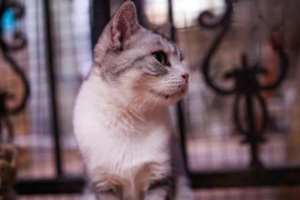
Essential Items for Pet Owners
Owning a pet is not just a trend but a form of companionship that enriches life. So what do you need to care for a pet?
- « Previous
- 1
- 2
- 3
- 4
- Next »