Search Results
118 results for “seasonal diet”

Causes and Solutions for Excessive Dog Dandruff
Heavy dog dandruff can come from dry skin, poor nutrition, parasites or skin disease, allergies, hormonal imbalance, or genetics. Fix it by bathing less with dog-specific shampoo, improving diet with Omega-3 and vitamins, controlling parasites, finding allergens, and moisturizing — and see a vet if itching or hair loss appears.

Do Kittens Get Diarrhea With the Seasons?
Kittens often get loose stools at season changes because shifts in temperature, humidity, and pressure stress sensitive cats and upset gut flora, worsened by cold bellies and abrupt diet changes. Keep them warm, keep the diet simple, and add a probiotic (Bacillus subtilis, Saccharomyces boulardii); if diarrhea is watery, bloody, smelly, with lethargy or other signs beyond 3 days, see a vet.

Why Does a Male Cat Lick His Genitals?
A male cat may lick his genitals to clean himself, relieve stress, during mating season, or because of illness or infection. Grooming or seasonal behavior is usually harmless as long as the area stays clean, but if licking comes with other symptoms such as trouble urinating, it likely signals a medical problem that needs a vet.

8 Signs Your Cat Is Happy and Well Cared For
A well-cared-for cat shows it in clear ways: wild, relaxed sleep poses (even belly-up) in any corner of the home; actively rubbing against your legs and curling up in your lap; daily playfulness and curiosity about new toys; a tail held high like a flag while walking; steady appetite without pickiness and regular drinking; a coat that is soft, glossy, and free of grease or dandruff; a consistent daily routine; and a stable weight in the healthy range. You don't need perfection — meeting two or three of these already means your care is on point. Beyond that, keep up vaccines, deworming, and a clean environment.
Cat and Dog Tear Stains: Understanding the Causes and Managing Them at Home
Tear stains are a common frustration for owners of flat-faced breeds and many other cats and dogs. They are rarely a single mystery illness; instead they usually trace back to blocked tear ducts, ear problems, allergies, or diet. The right fix depends entirely on the underlying cause. This guide walks through the main reasons pets develop reddish-brown staining, what each pattern looks like, and the at-home steps—gentle cleaning, ear checks, allergy control, and diet tweaks—that keep stains from returning. Knowing the cause is the first step to clearer, healthier eyes.

What Are the Risks of Shaving Your Pet?
Shaving a pet can weaken its temperature control, raise the chance of skin allergy or other skin problems, lower coat quality, and affect its mood. Weigh the pros and cons before shaving, and if it is not necessary, it is best not to shave. If you must, use the right tools and method to avoid skin injury.

Can Cat Flu Leave Lasting Effects After Recovery?
Feline rhinotracheitis (cat flu), caused by feline herpesvirus FHV-1, cannot be cured—the virus hides for life in the trigeminal ganglion and can reactivate whenever the cat is stressed, the season changes, or immunity dips. Most cats recover and live normally, but some are left with mild, manageable effects: a sensitive nose that drips in cold or dusty air, heavier tear staining from narrowed tear ducts, or—in high-risk cases—repeated flare-ups that can progress to chronic bronchitis or pneumonia. Good care (warm stable surroundings, humidity control, stress avoidance, balanced nutrition with lysine and vitamins, and regular vaccines) keeps recurrence rare. This article explains the sequelae, why only some cats get them, and how to minimize repeat episodes.

Why You Should Think Twice Before Getting a West Highland White Terrier
West Highland White Terriers are curious and energetic, which makes them champion destroyers of furniture, especially if separation anxiety sets in. Their signature white coat needs heavy upkeep: trims every 1-2 months, regular hand-stripping, twice-weekly brushing, and monthly baths. They are also known for sensitive stomachs and skin that flares up with the seasons, so diet changes should follow a gradual 7-day transition to a low-allergen food. Add a stubborn, treat-motivated temper and a purchase price of roughly 4,000-20,000 yuan plus higher grooming bills, and the Westie is best suited to experienced, time-rich owners.
Essential Hamster Care: What Every Owner Should Know
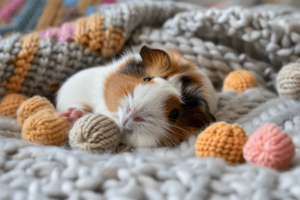
Keeping a hamster healthy and extending its lifespan depends above all on proper husbandry. Before bringing a hamster home, owners should prepare a spacious cage with suitable bedding, a food bowl, a water bottle, and an exercise wheel, then keep the enclosure clean and disinfected on a regular schedule. A balanced diet built around a high-quality hamster mix, supplemented with small amounts of fruit and vegetables, and constant access to fresh, safe drinking water are equally important. This guide covers the fundamentals of scientific hamster care: building a comfortable habitat, providing nutritious food and clean water, maintaining a tidy living space, encouraging daily exercise, reducing stress, and managing temperature through the seasons. With the right setup and routine, even first-time owners can help their pet thrive.

What Are the Signs That a Dog Is Sick?
Dogs cannot tell us in words when they feel unwell, so owners must read the signals their bodies send. A sick dog may show a sudden drop in appetite, much less energy, or unusual tiredness after light play. Vomiting and diarrhea often point to digestive trouble, parasites, or infection, while heavy shedding beyond the normal amount can signal skin allergies, pests, or nutritional or hormonal problems. A temperature above 39.5°C, rapid or labored breathing, and a fast heartbeat suggest fever, respiratory or heart issues that need prompt care. Pain and discomfort can also change a dog's mood, making it withdrawn, anxious, or snappy. If you notice any of these signs, see a vet for diagnosis and a treatment plan. Prevention helps too: keep up with deworming and vaccines, feed balanced clean food, keep the home dry and sanitary, and add warmth during seasonal changes.