Search Results
118 results for “seasonal diet”

Pyxis planicauda (Malagasy Flat-tailed Tortoise)
The flat-tailed tortoise is found along the west coast of Madagascar, closely resembling the spider tortoise but recognized as a distinct species. It is a shy, mostly herbivorous tortoise that aestivates through the dry season.

Pseudemydura umbrina (Western Swamp Turtle)
The Western swamp turtle (Pseudemydura umbrina) is one of Australia's smallest turtles; males have a 155 mm shell and weigh 550 g, while females reach 135 mm and 410 g. Its coloration varies with age and habitat, and it is listed as Critically Endangered.

Travancore Tortoise
The Travancore Tortoise (Indotestudo travancorica) closely resembles the Burmese Star Tortoise in appearance and shares its preference for a dry habitat. Though sometimes considered a subspecies of the Burmese tortoise, this has never been confirmed; it is a shy, inactive tortoise suited to simple husbandry.

Dog Panting After a Few Steps? Don’t Ignore Heart Trouble
A dog that pants heavily or struggles to breathe after only a short walk may be signaling heart disease rather than mere old age or extra weight. Key warning signs include a sudden drop in stamina, labored breathing at rest, blue-tinged gums, nighttime coughing, and lethargy. Early veterinary diagnosis and daily heart-care management can dramatically slow progression and extend your dog's life.

Signs Your Cat Has Successfully Mated
Wondering whether a mating was successful? Understanding the feline heat cycle first helps — then you can read the body-language cues of a completed mating and confirm pregnancy the right way.

Understanding Food Allergies in Cats
A food allergy is an immune reaction to a dietary protein, most often beef, dairy, or wheat, and can appear at any age. Itching, ear inflammation, and digestive upset are typical, and an elimination diet remains the only sure diagnosis.

What to Do When Your Pug Is Shedding
A Pug should not shed much normally, so sudden hair loss usually means a skin problem, poor nutrition, a coat change, the season, or too much salt. Walk through these causes to tell them apart, and ask a vet online if anything is unclear.

Is Your Cat Shedding Just From the Season
Shedding has many causes beyond the seasonal coat blow, from poor nutrition to mites and ringworm. Tell the difference by the pattern: even, whole-body loss is normal, while patchy loss with scratching needs treatment. Good food, isolation, and a clean home keep excess shedding in check.

What to Do When Your Cat Has Diarrhea
Cats get diarrhea from chills or bad diet, and a probiotic plus warmth often settles it. Parasites and stress are other common triggers, so deworm on schedule and ease environment changes. Frequent diarrhea with vomiting may mean gastritis or distemper and needs a vet.
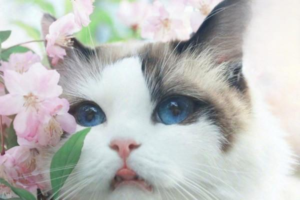
When Do Ragdoll Cats Shed the Most?
Ragdolls shed most heavily in the cooler months, especially from September to November, as part of normal seasonal shedding. Regular coat care, added dietary oils, and consistent home cleaning keep loose fur under control.