Search Results
1195 results for “scent”

Tomato Frog
The tomato frog (Dyscophus guineti) is a brilliantly red, frog-shaped amphibian from Madagascar's eastern coast. Despite its looks, its skin secretes a painful defensive toxin, and it thrives in a humid, mostly terrestrial setup fed on crickets and other insects.
Wallace’s Flying Frog
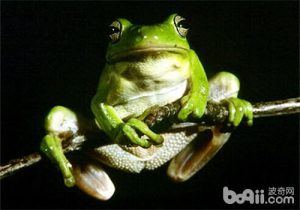
Wallace's flying frog (Rhacophorus nigropalmatus), also called the black-webbed tree frog, is a gliding frog of the rainforests of Malaysia and Indonesia. With its large webbed feet it can glide up to 15 meters between trees, and in captivity it needs a tall, humid, planted enclosure with secure walls.

Texas Map Turtle
The Texas Map Turtle lives in the Colorado River basin of the Edwards Plateau in Texas and is a relatively common map turtle, though priced higher; it resembles the Mississippi Map Turtle and is sometimes hard to tell apart. It is the smallest-shelled of all map turtles, with no prominent keel.

Pseudemys alabamensis (Alabama Red-bellied Turtle)
The Alabama red-bellied turtle is a small to medium aquatic turtle with a carapace 35–45 cm long. Hatchlings are vividly colored, but in the wild adults become dull and grayish-black; captive-bred individuals can retain their bright coloration.
Emydura australis (Australian Big-headed Turtle)
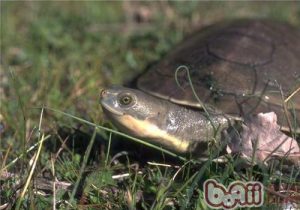
The Australian big-headed side-necked turtle is carnivorous and lives in shallow water, aestivating in pond mud during the dry season. In the wild it consumes large numbers of mosquito larvae, making it beneficial to people, though it is rare and its trade is strictly controlled.
Western Hermann’s Tortoise
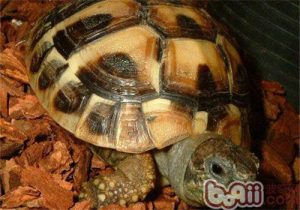
The Western Hermann's Tortoise (Testudo hermanni) is a common, beginner-friendly tortoise with undemanding environmental needs and good disease resistance, though it carries a relatively high price. Native to Spain and southern France, it is a Mediterranean-species herbivore that also occasionally takes animal prey.

Hilaire’s Toadhead Turtle
Hilaire's Toadhead Turtle (Phrynops hilarii) is a side-necked turtle in the toadhead genus, strongly affected by ambient temperature and closely tied to it in behavior. Delicate and hard to keep in captivity, it is not recommended as a first turtle.
Oaxaca Mud Turtle
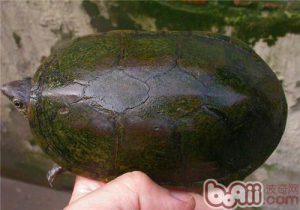
The Oaxaca Mud Turtle (Kinosternon oaxacae) is a type of mud turtle that aestivates in summer, burying itself in mud to cool down—hence its name. Living in slow-moving rivers, it hunts fish and shrimp in the water and is an omnivore that leans carnivorous.

South African Bowsprit Tortoise
The South African Bowsprit Tortoise (Chersina angulata), also called the angulated tortoise, favors dry, hot regions and becomes inactive and refuses food when captive temperatures drop below 20°C. A strictly herbivorous species, it feeds only on plant matter in the wild and accepts fruits and vegetables in captivity.

Varanus rudicollis
The roughneck monitor is distinguished by its slender snout, which becomes progressively rounder as it grows; adults develop a jaw shape reminiscent of a beast of prey. Adults can reach a total length of up to 146 cm.