Search Results
168 results for “scent training”

How to Tame a Feral Cat
Taming a feral cat takes time, patience, and above all, trust. Because feral cats are naturally wary of people, the first step is to provide a safe, clean space with reliable food and water—and to feed them yourself so they learn your scent and presence. Speak softly, move slowly, and never use force. Once they relax around you, introduce basic commands with positive rewards, and keep up regular vet checks, vaccinations, and daily grooming. With consistency and care, a frightened stray can become a confident, happy house cat.

How Do Female Dogs Choose a Mate?
A female dog picks a mate by several factors—genetic strength, social rank, appearance, and temperament—to improve offspring survival and health and secure better resources. She judges a male's health and background through scent, observation, and behavior, and becomes proactive once she chooses.

How to Train a Dog to Potty in a Designated Spot
Potty training works best after eating, drinking, waking, or playing - take the dog to the spot when it circles or sniffs. Use a clear verbal cue and reward success with praise or treats. Stay patient with accidents, correct gently, and seek a pro trainer if it doesn't learn. Indoor training: scent the pad with its own urine or feces.

What to Do When Your Dog Is Too Clingy (Separation Anxiety)?
Over-clingy dogs usually lack security, get bored, or never learned to be alone—often tied to separation anxiety. Build security, independence, and distraction, consider a companion, and do gradual separation training.
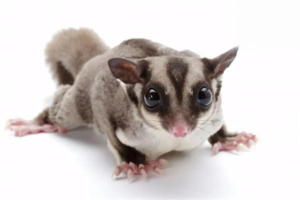
Why Do Sugar Gliders Bite, and What to Do About It?
Sugar gliders are usually gentle, but they may bite when frightened, physically uncomfortable, or confused by a changed scent. This guide explains the causes of biting and how to clean a bite wound, plus training tips—letting the glider learn your scent and gently blowing on its face—to stop the behavior.

Do Lop Rabbits Smell? How to Handle a Smelly Rabbit
Lop rabbits are clean, burrow-loving animals that groom themselves and have light-scattering droppings, so they rarely smell. This guide explains why a rabbit may smell—litter habits and scent glands—and how to fix it with training, diet, bathing, and hygiene.
How is a Dachshund’s sense of smell?
The Dachshund has excellent smell with concentrated receptors to pick out scents in complex settings. Its stamina and obedience suited it to hunt burrow animals like badgers, rabbits, and foxes, and now to search and rescue or detection.
How good is a Dachshund at catching mice?
Dachshunds are born mousers from their hunting past; their long low body enters tight spaces and their keen nose tracks mice, with strong drive and stamina. Basic hunting training can sharpen this.
How good is an Akita’s sense of smell?
The Akita has an excellent sense of smell from its hunting heritage, used for tracking, search, and detection. Training and health affect its working performance.
How good is the German Shorthaired Pointer’s sense of smell?
Its nose is very keen, tracking faint scents over open ground for hunting and also used in rescue and drug/explosive detection. Individual variation means professional training is needed.