Search Results
98 results for “salmonella”

Can Dogs Eat Raw Eggs? Stop Following the Trend Blindly
Raw eggs are best avoided: shells and yolks can carry Salmonella, Toxoplasma, and roundworms (diarrhea, appetite loss, weight loss; toxoplasma can deform or abort puppies), and raw egg white contains avidin that binds biotin and hurts skin, coat, and nerves. If you must, use sushi-grade eggs and start with a quarter. Also keep chocolate, grapes, onion, alcohol, xylitol, caffeine, salty/sugary food, dairy, and bones off the menu.

What Temperature Means a Cat Has a Fever
A cat's normal temperature is 38.5-39.5°C, so 39°C is fine. Over 39.5°C counts as a fever; 40-40.5°C is low, 40.5-41.5°C moderate, and 41.5-42.5°C high. Exercise, heat, and stress can nudge it up, so watch for other symptoms too.

Is It Safe to Drink Water a Cat Has Licked?
For a healthy adult, an occasional sip of water a healthy cat has licked is low risk — your immune system handles small amounts of bacteria. Avoid it when the cat is sick (stomatitis, gingivitis, vomiting, or diarrhea), when you are immunocompromised (elderly, children, pregnant, diabetic, or living with HIV), or when the water is heavily contaminated. If you accidentally drink it and feel fine, just hydrate well — no panic needed.

Boiled Meat, Raw Food, or Kibble: Feeding Your Cat or Dog Wisely
Many owners cook plain boiled meat for their pets, thinking it is cheaper or safer than commercial food. But domestication has shifted companion cats and dogs away from strict carnivores, and feeding only boiled meat long term risks calcium-phosphorus imbalance and kidney strain. This guide explains how to balance a home-cooked diet for dogs and cats, why boiled meat beats raw for most homes, and how commercial kibble fits in. The takeaway: boiled meat is fine, but only when fed as part of a balanced, well-planned diet.

What Is Canine Salmonellosis
Canine salmonellosis is a group of infections caused by bacteria of the Salmonella genus, which can affect both dogs and people. Dogs pick it up from sick animals, contaminated food and water, or even healthy-looking carrier dogs, and the illness ranges from silent carriage to severe, life-threatening septicemia in young puppies. Signs include fever, vomiting, watery or bloody diarrhea, and rapid dehydration. Diagnosis relies on culture and identification of the bacteria from stool or organs, and treatment pairs antibacterial drugs with fluid and symptom support. Careful food handling and a clean environment are the cornerstones of prevention.

Why Is Your Dog Having Diarrhea
A healthy dog passes formed stool three to four times a day. More frequent, soft, watery, mucus-laced, or bloody stool is diarrhea, a sign of illness rather than a normal variation. Clinically it is split into acute (sudden) and chronic (long-lasting) forms, each with its own common causes.

Recipe: Raw Egg for Cats
A raw egg is about the quickest cat-food topper you can make — crack one into the bowl and serve. Eggs are a superb, easy-to-digest source of protein and supply more than ten amino acids cats need, which is why owners credit them with a shinier coat and brighter eyes. The two common worries are bacteria and egg white: buy tested, clean eggs to lower any infection risk, and at a rate of one or two a week the white does no harm. Cooking the egg is fine too.

Enrofloxacin for Pets: What It Treats and Key Safety Notes
Enrofloxacin is a third-generation fluoroquinolone antibiotic made for animals. It works by blocking a bacterial enzyme needed for DNA replication, and it is commonly used for urinary, reproductive, digestive, and skin or soft-tissue infections in dogs and cats. It is prescription-only: typical oral dosing is 5–10 mg/kg per day, and several groups should never receive it. Always follow your veterinarian's plan.
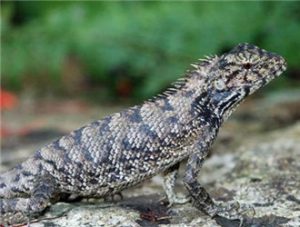
Oriental Garden Lizard (Changeable Lizard)
The 'horse-mane' agamid of southern China - a small, hardy, common lizard that changes colour and drops its tail when grabbed.

Salmonellosis in Dogs and Cats (Paratyphoid): Symptoms, Treatment, and Prevention
Salmonellosis (paratyphoid) is an acute septicemic disease caused by Salmonella. Early signs are gastroenteritis (diarrhea, vomiting) that can progress to nosebleeds and bloody stools. It is zoonotic and can cause abortion in pregnant dogs and cats.