Search Results
717 results for “saline”
My Malinois tore its paw pads after sudden heavy running—what should I do?
A torn paw pad from exercise needs wound care to avoid infection. Clean, disinfect, cover with antibiotic powder and a bandage, and limit movement so the pad can heal.
How to treat inflammation after a Cane Corso’s ear cropping?
After ear cropping, disinfect the wound with medical alcohol or povidone-iodine solution. Keep the ear clean and the environment hygienic to prevent the infection from worsening.

Causes and Treatment for a Swollen Lower Lip in Cats
A swollen lower lip in cats is usually caused by dietary heat, an allergy, an eosinophilic granuloma, or a mouth injury. Treatment depends on the cause: adjust the diet for heat, remove the allergen, use anti-inflammatory and antibacterial medication for granulomas, and clean the wound for injuries.

Rabbit Eyes Bulging and Watering — Is It Conjunctivitis?
Bulging, red, watering rabbit eyes usually point to conjunctivitis, which can progress to pus, ulcers, and blindness if untreated. Causes include irritants, allergies, trapped debris, or infection; treatment is cleaning, antibiotic drops, and removing the trigger, with a clean, dry, well-ventilated hutch for prevention.

First Aid for a Heatstroked Chinchilla
A chinchilla in heat and humidity can't shed heat and may collapse. Mild cases droop with hot ears; moderate ones stand unsteadily and can't eat; severe ones stiffen, arch the head, twitch, foam, and coma. Move the animal to a cool, ventilated place, cool the head/ears, and give a diluted cooling herbal liquid plus glucose or rehydration salts — severe cases also need B1 and B12. Prevention (cooling early) beats rescue.
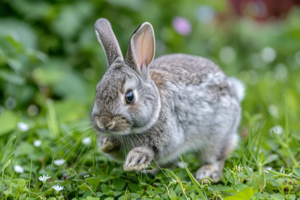
What Does a Rabbit’s Sudden ‘Airplane Ear’ Mean?
A rabbit's 'airplane ear' (one ear flopping up) can mean an impure lop bloodline, ear mites or inflammation, an ear strain from being lifted by the ears, or a calcium/trace-element deficiency. If there is no redness or pain, improve the diet; if there is, get a vet exam and treat mites or infection accordingly.
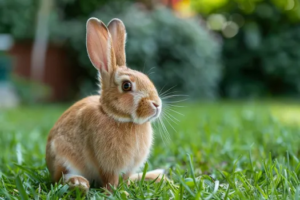
What to Do When a Rabbit Has Heatstroke
Rabbits overheat easily because of their thick coat and poor heat dissipation, and severe heatstroke can be fatal. Move a stricken rabbit to a cool, ventilated place, cool it with a damp towel, and prevent recurrence by keeping cages shaded, well-ventilated and supplied with plenty of water.

Common Parrot Eye Diseases and Treatment
Parrots commonly face keratitis, conjunctivitis, and cataracts. Keratitis ranges from surface scratches (tearing, light sensitivity) to deep or penetrating wounds threatening sight, treated by removing debris and antibiotic drops in dim light. Conjunctivitis from injury, vitamin lack, or infection needs boric-acid rinses and chloramphenicol; cataracts need surgery, so prevent with good hygiene and peace.
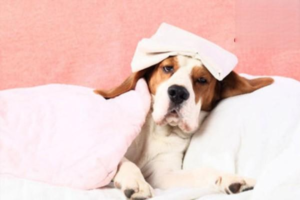
First Aid for Common Dog Injuries at Home
At-home first aid for dogs covers scrapes, bites, burns, fractures, and sprains. Clean small scrapes with iodine, control bleeding and disinfect larger wounds, flush burns with cool water, immobilize fractures and rush to the clinic, and ice sprains then rest. Always use an Elizabethan collar and update the rabies vaccine after bites.
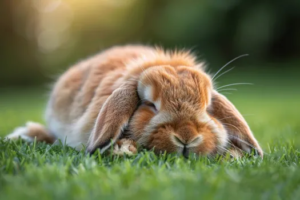
Preventing and Treating Yellow-Urine Disease in Baby Rabbits
Yellow-urine disease is acute enteritis in nursing kits under 7 days old, caused by Staphylococcus toxins from a mother's mastitis passed through her milk; signs include yellow watery stools, weakness, and a fishy smell. Prevent it with a clean dry nest, managed milk flow in the doe, and early mastitis treatment, and treat affected kits with gentamicin drops.