Search Results
97 results for “safe dog treats”
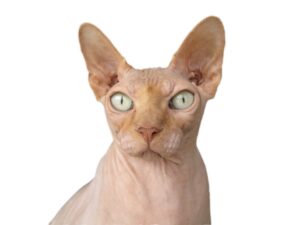
Sphynx
Sphynx (details)

Abyssinian
The Abyssinian, also called the rabbit cat, Ethiopian cat, or Abyssinian, has the English name Abyssinian and is now distributed around the world. People usually judge a cat's origin by its name, but the Abyssinian's origin seems somewhat distant from Abyssinia. Abyssinia is the old name for Ethiopia, yet many believe the Abyssinian comes from ancient Egypt.

Egyptian Mau
The Egyptian Mau (Felinae) is found worldwide. Although called the Egyptian Mau, it cannot be confirmed that it originated in Egypt; however, because its image and written records appear in ancient Egyptian murals, steles, and papyrus scrolls, people believe its ancestor is the African wildcat. In the 1950s, the Egyptian Mau was introduced to the United States and Britain, and in 1968 it won awards in formal competitions.

Ragdoll
Ragdoll (details)

Campbell’s Dwarf Hamster
The Campbell's dwarf hamster is the most short-tempered of the hamsters, and looks very similar to the three-lined (Djungarian) hamster, with little individual difference. Some Campbell's dwarf hamsters have red eyes.

Do Rabbits Recognize Their Owners? Signs of a Bonded Rabbit
Rabbits do recognize their owners. Less smart than dogs, they still learn and tell people apart, but being timid they need time. What are the signs, and how to bond fast?
How to Make a Teddy (Poodle) Like You
Teddy dogs are smart and friendly; spend time with them, meet their needs, play and train, and give positive feedback like praise and treats when they behave well.
How to Train a Puppy to Hunt?
Start obedience training at two months of age so the dog learns to follow commands. Use recall, sit, and shake-hands exercises with treats as rewards.
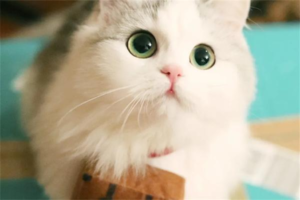
Will a Cat That Runs Away Come Back Home?
A cat that runs away has a fairly low chance of finding its way back, because unlike dogs, cats do not constantly leave scent marks to retrace their route. If a cat strays too far it can easily lose its bearings, and timid cats that are frightened outdoors will hide rather than try to find the way home. Search the neighborhood promptly to keep the cat close and improve your odds of recovering it.
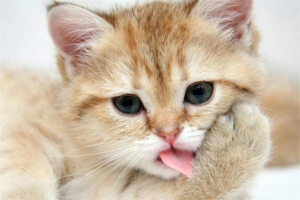
Do Cats Get Bored Staying Indoors?
Indoor cats are usually content at home and don't need walks, but they can grow bored or stressed when an owner rarely interacts with them. Preventing this means offering enough space and toys for self-play plus daily one-on-one time for play and affection. A dedicated quiet retreat and simple food-finding games add valuable mental stimulation.