Search Results
772 results for “routine”

How to Treat a Cat’s Fungal Skin Infection
Cats get fungal skin infections when their skin barrier is weak, from warm indoor air, play wounds, contact with infected cats, or low immunity. Treatment means clipping and medicating the spot, stopping licking, and boosting nutrition until it clears.

Best Dog Food for Reducing Bichon Frise Tear Stains
White-coated Bichons show tear stains badly, but the stains are manageable once you address the cause. Choosing a low-sodium food with tear-stain support, plus gentle eye care, keeps a Bichon's face clean and comfortable.

What to Do When Your Dog Has Blood in Its Stool
Blood in a dog's stool can come from something mild like a sudden food change, or from serious issues like gastroenteritis, an intestinal tear, or infections such as parvovirus. Match the cause to the right response, and see a vet whenever the bleeding is severe or unexplained.

Schnauzer With Bumps and Scabs on the Skin
Bumps and scabs on a Schnauzer's skin usually point to a parasite problem or a fungal or bacterial infection. Small affected areas can often be managed at home with gentle cleaning and a vet-recommended spray, but widespread or worsening lesions need a vet visit.

What to Do When a Puppy Has Pus-Like Eye Discharge
Pus-like eye discharge in a puppy can mean a bacterial eye infection, dehydration from gut or systemic illness, or simply a diet too rich and salty. Match the cause to the treatment: gentle food and vitamins for dietary heat, antibiotic eye drops for infection, and prompt vet care for underlying disease or eyelid problems.

What to Do When Indigestion Causes Your Dog to Vomit
Indigestion is the top cause of dog vomiting, and severe cases bring mucus, stomach fluid, undigested food, even blood and diarrhea. Causes are unclean food or bowls, overeating, and sudden food switches. Fix hygiene, fast one to two days then feed bland food, and use a probiotic after a switch.

How to Treat Dog Diarrhea
A dog's fragile gut makes diarrhea common, and the right fix depends on the cause: parasites, poor feeding, chills, frequent food switches, or infectious disease. Match the treatment to the cause — deworm for parasites, fix the feeding routine, keep warm for colds, and see a vet for bloody stool or nonstop diarrhea, since parvovirus may be involved.

Why Your Dog Suddenly Vomits Yellow Liquid
Sudden yellow vomit usually comes from hunger, eating something wrong, irregular feeding, or gastritis. Ease back with a short fast, water, and a probiotic, then bland food; for swallowed objects or severe gastritis, a vet visit is needed to avoid dehydration.

Why Your Dog Won’t Eat and What to Do
A dog skipping meals is often harmless — teething, heat, or pregnancy can suppress appetite temporarily — but it can also signal illness, picky behavior from too many treats, or gastritis from eating plants. Fix the feeding routine, offer tasty nutritious food, and see a vet when sickness is the cause.
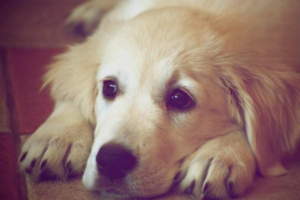
Why Is Your Dog Pooping Blood?
Blood in a dog's stool is a red flag that needs a clear diagnosis before treatment. The leading causes are parvovirus in unvaccinated puppies, intestinal parasites, swallowed foreign objects, and diet shocks such as sudden food changes or rich, spoiled food. See a vet quickly to find the cause rather than guessing.