Search Results
772 results for “routine”

Common Genetic Diseases in Ragdoll Cats
Ragdolls are prone to two inherited diseases: hypertrophic cardiomyopathy, where the heart wall thickens and can cause sudden cardiac death, and polycystic kidney disease, where fluid cysts enlarge the kidneys. HCM peaks at four to eight years and affects about 6 percent of the breed; PKD strikes at three to ten and is avoided if both parents test clear. Neither can be cured, only managed with care, kidney-support diets and vet-guided mineral supplements, so DNA testing and routine prevention matter.

How Feline Chlamydial Pneumonia Develops
Feline chlamydial pneumonia is a highly contagious but uncommon cat disease, well covered by routine vaccination, so regularly vaccinated cats rarely catch it. It spreads through eye, nose and mouth secretions on shared bowls, cages or hands, and by sneezing. It starts as conjunctivitis and, left untreated, can advance to fever, pneumonia and infections of the airways or reproductive tract. Antibiotic eye ointment and oral antibiotics clear it, but recovered cats still carry and shed the organism, so isolation matters.

Keeping Your Dog Free of Skin Problems in Summer
Summer's heat and humidity breed bacteria and parasites, so skin trouble spikes. Bathe and dry the coat with a pet shampoo, avoid strong midday sun to prevent burns, and keep the living space clean and dry. Use a monthly topical preventive with selamectin or fipronil to block fleas, lice, mites and ticks, and feed vitamins and protein to lift immunity. See a vet for itching, hair loss or rashes.

How to Give Your Cat a Glossy Coat
A dull, rough coat usually points to diet, poor care, environment or health. Feed balanced nutrition and add supplements such as lecithin, fish oil and vitamins to lift coat quality. Brush often to clear dead skin and boost circulation, bathe gently as needed, and keep fresh water available. Avoid harsh sun or dry air, and schedule regular checks so skin infection, parasites or other illness are not the hidden cause.
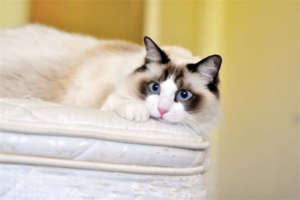
How to Reduce Heavy Shedding in a Ragdoll Cat
A Ragdoll's heavy shedding can stem from seasonal change, poor diet, weak care, stress or an underlying health issue. Brush regularly to stop mats, bathe on a sensible schedule with a gentle cat shampoo, and avoid salty or greasy food while adding omega-3 and vitamins for skin and coat. Keep the home calm and quiet, and if shedding stays severe, have a vet rule out skin disease, allergies, parasites or hormonal problems before treating.

How to Bathe a Rabbit Safely
Rabbits are timid and easily stressed, and a bath can lead to chilling and illness, so avoid frequent washing. For light dirt, spot-clean with a warm damp towel or use dry shampoo powder. Bathe only when truly dirty, using rabbit-specific products and drying the coat fully afterward. Never bathe a rabbit under six months or one that is sick or has diarrhea, and keep the ears dry to prevent infection.

Is the Chinese Rural Dog Easy to Train?
The Chinese rural dog is smart, loyal and brave, so it is generally easy to train and responds willingly to commands. Each dog is an individual, though, so results vary with its learning ability. The best approach is early socialization, positive reinforcement, steady patience, and gradual step-by-step goals. Keeping training varied across environments and treating it as a lifelong routine builds reliable obedience, trust and problem-solving, while harsh punishment only breeds fear and resistance.

Why Are My Cat’s Eyes Always Wet?
Constant wetness at a cat's eye corners is usually harmless tear pooling—after waking, mild dust, or the narrow tear ducts of flat-faced breeds like Exotics and Persians. But it can also signal conjunctivitis, keratitis, a blocked tear duct, or irritating fur. Yellow-green pus, swelling, or sneezing with poor appetite means a vet visit. Start with gentle cleaning and a few days of observation.

Is It Normal for Cat Poop to Come in Segments?
Segmented-looking cat poop isn't automatically a problem. If the stool is basically a continuous log with a few cracks and your cat acts normal, it's usually just how the colon forms stool. But hard, stone-like lumps, blood or mucus, straining, or no bowel movement signal early constipation. Boosting water, adding wet food, and daily brushing for hairballs are the first steps; see a vet if it doesn't improve.

What to Know When Grooming a Rabbit’s Coat
Rabbits, especially long-haired breeds, need regular coat trimming, particularly in hot weather. Use proper rabbit grooming tools rather than ordinary scissors to avoid cuts, and work in order from the rump, along the back to the neck, then the sides, belly, legs, and last the head and ears. Comb out tangles first, keep the coat not too short, and never cut the whiskers. Avoid trimming in late pregnancy or winter, and calm the rabbit with help to hold it still.