Search Results
91 results for “rhinitis treatment”

Cat Rhinitis: Symptoms and Treatment
Rhinitis is common in people, dogs, and cats alike. For a pet cat with rhinitis, here are the symptoms and how to treat them.

Dog Allergic Rhinitis: Symptoms and Treatment
Dogs get allergic rhinitis much like people, but with their keen sense of smell the reaction to irritants can be stronger. This article covers the symptoms and how to manage them.

Dog Rhinitis: Symptoms and Treatment
The nose matters greatly to a dog, so a blocked nose and lost smell make signs obvious. Here are the symptoms and treatment to relieve your dog.
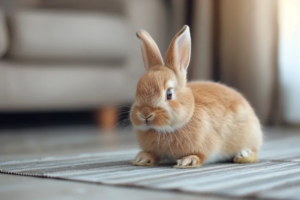
Treatment and Prevention of Infectious Rhinitis in Rabbits
Infectious rhinitis in rabbits is hard to eradicate and easily relapses, so prevention matters most: low density, good ventilation, clean hutches, steady warmth and the Pasteurella vaccine. For outbreaks, florfenicol, tilmicosin or tylosin now work better than the overused penicillin–streptomycin combo.

Prevention and Treatment of Infectious Rhinitis in Rabbits
Infectious rhinitis in rabbits is hard to cure and best prevented: strict husbandry, low density, good ventilation, solid nutrition and the Pasteurella–Bordetella vaccine cut the risk. For outbreaks, antibiotics such as penicillin, streptomycin, kanamycin or gentamicin by injection, plus enrofloxacin in water for whole-group infection, are the main treatments.

Rabbit Rhinitis: Symptoms and Treatment
Infectious rabbit rhinitis is usually triggered by temperature swings; young rabbits are hit hard with high death rates. This guide covers symptoms, when it strikes, and treatment plus prevention (isolation, penicillin/streptomycin, vaccines).

Rhinitis in Dogs and Cats: Symptoms, Treatment, and Prevention
Rhinitis is inflammation of the nasal mucosa, producing congestion, swelling, nasal discharge, and sneezing. It may be acute or chronic and is managed by clearing the nasal passages and treating the underlying cause, often with antibiotics when bacterial.

Causes and Treatment of Cat Pharyngitis
Cat pharyngitis is divided into primary and secondary types. Primary pharyngitis mostly comes from injury to the pharyngeal mucosa, while secondary pharyngitis comes from infection spreading to the throat. Their treatments differ slightly. Here is a detailed look at the causes and treatment of cat pharyngitis.

Preventing and Treating Spring Rhinitis in Rex Rabbits
Spring temperature swings drive rex-rabbit rhinitis, spread by air through the respiratory tract; kits die fast, adults often go chronic and lose breeding value. Prevent with ventilation, vaccination, low density, and isolation; treat with penicillin-streptomycin injections and chloramphenicol drops.

Symptoms and Treatment of Common Viral Infectious Diseases in Dogs and Cats
Viruses need host cells to multiply, then spread via blood and lymph causing infection. Here are common viral diseases in dogs and cats.