Search Results
370 results for “respiratory virus”

Can Cats Get a Fever?
Yes, cats do get fevers, though their naturally higher body temperature makes it hard to spot. Watch for a dry, hot nose, warm ears and tail tip, lethargy, and heavy drinking, and confirm with a rectal thermometer reading.

How to Get Rid of Cat Tear Stains
Tear stains spring from diet, eye irritation, herpesvirus, or flat-faced breed anatomy, and the fix starts with better food, filtered water, and non-plastic bowls plus daily warm wiping. For non-infected stains, a dab of medical petrolatum lets tears evaporate before they mark the fur; for infected or inflamed eyes, use a pet antiseptic eye drop first, then the petrolatum.

How to Treat Feline Rhinotracheitis (Cat ‘Snuffles’)
Feline rhinotracheitis is essentially a cat upper-respiratory infection: it starts with watery eye and nose discharge and, if the virus spreads, progresses to thick pus, swollen eyes, poor appetite, and labored breathing, sometimes ending in pneumonia. Treatment works best in stages — supportive care early, nebulization and antivirals mid-way, and antibiotics only if it worsens.

Do You Need a Rabies Vaccine After a Ragdoll Cat Scratches or Bites You?
A cat kept strictly indoors with no exposure to stray animals and vaccinated within the past year poses almost no rabies risk, so a scratch or bite usually needs only washing and disinfection. Worldwide, dogs cause about 99% of human rabies cases and cats under 1%, and a cat can only pass the virus during the three days before symptoms appear and while it is sick. When the source cat is unknown, follow the WHO 10-day observation rule and seek vaccination for any bite that breaks the skin.

Can Kennel Cough Be Cured? Symptoms and Treatment
Kennel cough is a highly contagious canine respiratory infection (canine adenovirus type II) marked by a harsh, barking, often night-worse cough. Most cases are mild and clear with cough control plus antibiotics, though puppies under six months can develop dangerous bronchopneumonia.

Kitten Cold: Symptoms and the Right Response
A kitten 'cold' is usually an upper respiratory infection — sneezing, runny nose, fever, watery eyes — driven by chill and weak immunity, and sometimes herpes or calicivirus. Keep it warm, boost nutrition (lysine, taurine), and see a vet if temperature tops 39.5°C.

Medications for Treating a Cat’s Cold
Cat colds are usually treated with pet-specific antibiotics such as amoxicillin-clavulanate, doxycycline, or enrofloxacin, given strictly by weight. Keep a mildly affected cat warm and observe it at home, but see a vet if symptoms last beyond 3–5 days or a viral infection (calicivirus or herpesvirus) is suspected.
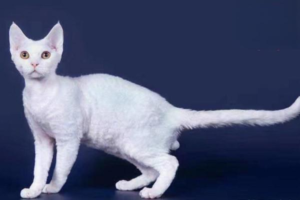
Cold Symptoms and Fever in Sphynx (Hairless) Cats
Sphynx (hairless) cats lack a fur coat and lose heat far more easily, so they catch colds more readily than other breeds. Mild cases with a low fever under 39.5°C can often recover at home with warmth and supportive care, but a cat that won't eat, grows weak, or fails to improve needs prompt veterinary attention.

How Canine Infectious Hepatitis Spreads and How to Prevent It
Canine infectious hepatitis spreads through the saliva, urine, and feces of sick or recovered carrier dogs — the virus survives in the environment for 6–9 months, with unvaccinated puppies at highest risk. Vaccination from 45 days of age plus strict hygiene and isolation are the keys to prevention.

Distemper vs. a Common Cold in Dogs
A common cold brings lethargy, appetite loss, weepy eyes, cough, and runny nose, while canine distemper adds thick white or yellow eye/nose discharge and nervous signs like seizures. Distemper is fatal in over 50% of adults and up to 80% of puppies, so any unsure or worsening case must reach a vet immediately.