Search Results
370 results for “respiratory virus”

What to Do When Your Rabbit Keeps Sneezing
Rabbits have sensitive noses, so frequent sneezing can signal anything from a mild allergy to a respiratory infection. Common triggers include pollen and dust allergies, poor diet, colds caught in damp or cold environments, and sinusitis. If your rabbit sneezes occasionally with no other signs, it is usually nothing to worry about. But if sneezing is frequent or paired with discharge, coughing, or red eyes, you should improve the living environment, adjust the diet, identify and remove allergens, and seek a veterinarian's advice. This guide walks through the likely causes and the practical steps you can take at home before a clinic visit becomes necessary.

Can Cat Flu Leave Lasting Effects After Recovery?
Feline rhinotracheitis (cat flu), caused by feline herpesvirus FHV-1, cannot be cured—the virus hides for life in the trigeminal ganglion and can reactivate whenever the cat is stressed, the season changes, or immunity dips. Most cats recover and live normally, but some are left with mild, manageable effects: a sensitive nose that drips in cold or dusty air, heavier tear staining from narrowed tear ducts, or—in high-risk cases—repeated flare-ups that can progress to chronic bronchitis or pneumonia. Good care (warm stable surroundings, humidity control, stress avoidance, balanced nutrition with lysine and vitamins, and regular vaccines) keeps recurrence rare. This article explains the sequelae, why only some cats get them, and how to minimize repeat episodes.

Health Checks to Do After Rescuing a Stray Cat
Before a stray cat joins your home, a veterinary check-up protects the cat, any resident pets, and your family. Strays can carry parasites, skin disease, or hidden infections, so a targeted exam is worth the cost. Core tests include a physical exam, infectious-disease screening (panleukopenia, coronavirus, calicivirus, herpesvirus; add FIV and FeLV if you have other cats), a fecal exam for internal parasites, and a blood count to flag anemia, inflammation, or dehydration. Imaging or a Toxoplasma test may be added for specific risks. To keep costs down, ask clinics about rescue discounts, look for packaged wellness plans, and have the vet handle basic grooming during the visit. Always isolate the new cat for 7–14 days, deflea and deworm, then start vaccines once it has settled in.
How to Keep Your Cat from Getting ‘Air-Conditioner Sickness’
Cats can suffer 'air-conditioner sickness'—discomfort from low temperature, dry air, poor ventilation, and big temperature swings—showing as sneezing, runny nose, loose stools, or even respiratory infection. To prevent it, keep the AC at 26–28°C and avoid direct drafts, hold indoor humidity at 50–60%, and warm weak cats with a soft bed off cold floors. Clean the filter every 2–3 weeks, ventilate daily, watch the cat's condition, and add 20–30 minutes of play. At the first mild signs, turn the AC off and offer warm water; see a vet if it worsens.

What Causes Cat Sinusitis (and How to Prevent It)
Feline sinusitis is inflammation of the nasal passages and sinuses, usually from bacterial, viral, or fungal infection, and sometimes as a complication of dental disease or upper respiratory infection. Young and old cats are most at risk. Prevention means a clean, well-ventilated home; regular dental checks; a balanced, immunity-boosting diet; avoiding sick animals; and routine vet visits. See a vet if your cat sneezes often, has constant nasal discharge, seems congested, or loses appetite.

Why Is Your Dog’s Nose Running
Dust, other irritants in the nose, or a sudden change in weather can all make a dog's nose run, and that is usually harmless. But thick, pus-like discharge with fever or cough, constant drooling, lost appetite, or a changed environment are reasons to pay attention. The discharge itself tells a story: thick mucus hints at bacterial or viral infection, thin watery fluid points to rhinitis or an upper respiratory infection, and pus suggests inflammation with pus formation. Many conditions can cause it - drug or food poisoning, food allergy, pulmonary edema, nasal stenosis, sinusitis, rhinitis, heartworm, canine flu, adenovirus II, infectious hepatitis, and distemper. The simplest check is to wipe the dog's nose with a tissue and look at the result.

What Diseases Does the FVRCP Cat Vaccine Prevent?
The FVRCP vaccine, commonly called the cat triple vaccine, protects against three contagious feline diseases: feline viral rhinotracheitis (FVR), calicivirus (FCV), and panleukopenia (FPV, or feline distemper). It greatly lowers infection risk but is not a full guarantee. Kittens can start at eight weeks, need two to three shots three to four weeks apart, and then an annual booster. Sick or pregnant cats should not be vaccinated.
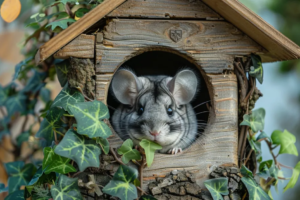
Why Is My Hamster Limp and Weak?
A hamster that feels limp and weak can have many causes, and the symptom alone is hard to pin down. Common reasons include a poor environment, low blood sugar, malnutrition, digestive trouble, or infection such as respiratory disease, liver problems, or diabetes. Offer rich nutrition and a warm, clean, well-ventilated home with room to move, and if weakness continues or comes with vomiting, diarrhea, discharge, or temperature change, take the hamster to a veterinarian.

Common Causes of Coughing in Dogs
Coughing in dogs most often points to a problem in the respiratory system, but it can also come from heart disease, infectious illness, a swallowed object, or even a fracture. Watching the type of cough - wet, dry, weak, or continuous - and noting whether the dog also loses appetite, runs a fever, or has nasal discharge helps you and your vet pin down the cause. A wet cough with phlegm suggests airway disease, a harsh dry cough may be kennel cough, a weak cough can mean pneumonia, and a repeated dry cough may signal heart trouble. Many conditions from roundworms to heart failure, tracheal collapse, pneumonia, and distemper can all show up as coughing, so persistent or severe cases deserve a veterinary check.

How to Tell Whether Your Dog Has a Cold or Distemper
A dog's ordinary cold and canine distemper can look alike at first, but they are very different problems. A simple cold brings runny nose, sneezing, fever, and cough from a viral or bacterial respiratory infection and is usually easy to treat. Distemper, by contrast, is a highly contagious and stubborn disease whose early sign is often a cold-like state; warning signs include diarrhea, bloody stool, vomiting, thick pus-like discharge from the eyes and nose, lethargy, and shivering. Distemper is far more dangerous, especially in puppies, and belongs in the hands of a veterinarian. The best defense against distemper is routine vaccination and avoiding unvaccinated groups during outbreak seasons.